
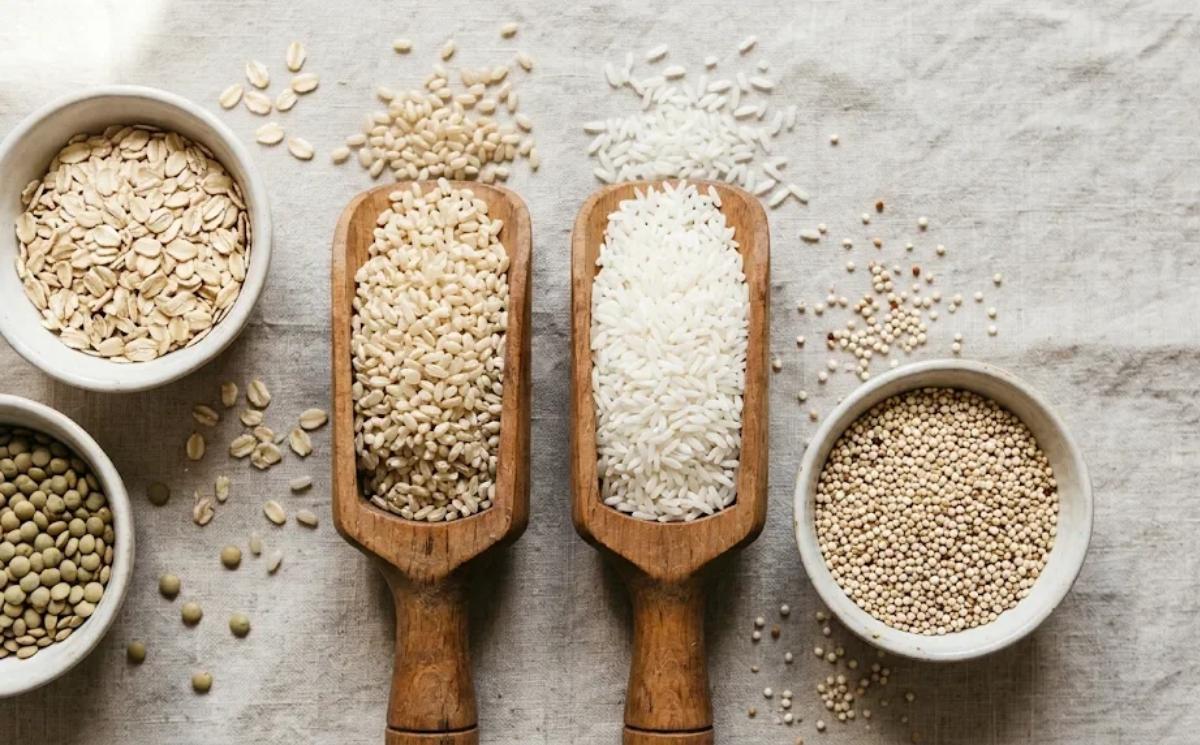
You're standing in the grocery aisle (or scrolling a store page) comparing two bags of rice, oats or quinoa. They look almost the same, but the organic one costs noticeably more. Why are organic grains more expensive than conventional grains? Is the price difference justified? And is there a smart way to buy organic without overspending? The short answer is that organic grains cost more to grow, certify, keep separate and move, and the farmer often earns a lower yield along the way. This guide breaks down each cost, explains what the organic label does and doesn't promise, and shares practical ways to bring the price down.
Quick Answer
Organic grains cost more because organic farming has higher costs and fewer shortcuts. Farmers can't use most synthetic pesticides and fertilizers, so they rely on more labor, crop rotation and careful management. Land must be managed organically for three years before the crop can be sold as certified organic, and farms pay for inspections and record-keeping. Organic grains are also produced and stored in smaller batches, and must be kept separate from conventional grain. Together, these add up to a higher shelf price. For dry staples like rice, oats and beans, the gap is often smaller than for fresh produce, and buying in bulk can narrow it further.
Organic vs Conventional Grains at a Glance
| Feature | Organic grains | Conventional grains |
|---|---|---|
| Pest and weed control | Rotation, cover crops, mechanical and manual weeding; limited approved inputs | Synthetic herbicides and pesticides |
| Fertility | Compost, manure, cover crops | Synthetic fertilizers |
| Land transition | At least 3 years before certification | None |
| Certification | Annual inspection, records, fees | Not required |
| Yields | Often lower, especially during transition | Generally higher and more predictable |
| Storage and handling | Must be kept separate and cleaned between batches | Mixed in large commodity systems |
| Scale | Smaller volumes | Large commodity markets with greater price support |
| Shelf price | Higher | Lower |
The Main Reasons Organic Grains Cost More
1. More labor and more management
Conventional farms can spray herbicide once to control weeds. Organic farms can't use most synthetic herbicides and pesticides, so they rely on tools such as crop rotation, cover crops, mechanical cultivation and extra field work. These methods take more time, equipment passes and know-how, and they cost more per acre. For a closer look at one crop, see how organic rice is farmed.
2. The three-year transition
Under USDA organic standards, land must be farmed organically for three years before the farm can earn certification. During these years the farmer follows organic rules and takes on organic-level costs, but can't yet sell the crop at organic prices. The Whole Grains Council explains that farmers absorb these costs throughout the transition, which is why some programs created a "Certified Transitional" label to help them through. That lost income is one reason fewer farmers switch, which keeps organic supply tighter.
3. Lower or less predictable yields
Without synthetic fertilizers and pesticides, crops can face more competition from weeds and pests, and yields may be lower, particularly in the early years. A Purdue analysis of organic transition noted that yields tend to move back toward conventional levels as soil organic matter builds up over time, but the early years are the hardest. When a field produces less grain per acre, each pound has to cover more of the cost.
4. Crop rotation and cover crops
Organic systems use rotations and cover crops to protect the soil and manage pests and weeds. Cover crops improve the field but are often not sold as a main crop, so a field produces fewer sellable harvests than one in continuous production.
5. Certification, inspection and record-keeping
Organic farms and handlers keep detailed records and pay for annual inspection and certification. Every business in the chain that handles the product, such as processors and packers, has to meet organic requirements. These costs are shared across smaller volumes than most conventional grain, so they add more per pound. For one example of how a certifier works, read what CCOF organic certification means.
6. Keeping organic and conventional separate
Organic grain must not be mixed with conventional grain or exposed to prohibited substances. Equipment has to be cleaned between runs, and storage bins, trucks and packing lines must be kept separate. This makes the supply chain less efficient and adds handling cost.
7. Smaller batches and higher storage and shipping cost per pound
Organic grains move through the system in smaller lots than commodity grain. Smaller shipments cost more per pound to store and ship, and organic products without synthetic preservatives need careful storage to avoid spoilage and pests. Read our guide on how to store rice, oats and grains.
8. Price supports and market scale
Large commodity crops like corn and soy have traditionally received far more public support and benefit from huge, established markets, which helps keep conventional prices low. Organic farms get less support and sell into a much smaller market, so they depend more on the premium they charge.
How Much More Do Organic Grains Cost?
It varies a lot by grain, brand and season, so we don't give a single number. A few useful points:
- Organic field crops have historically sold at a premium to conventional crops. A Purdue-based article from 2010 put typical premiums at 50 to 200 percent. That figure is dated, so treat it as background, not a current price.
- Premiums are what make organic farming profitable. Without them, organic grain is less profitable for the farmer, according to the same analysis.
- The gap at the checkout tends to be much smaller for dry goods than for fresh produce. One consumer guide noted that the difference for staples like oats and beans is often modest, especially when bought in bulk.
Check current prices on the organic rice collection and organic mixed grain collection for exact figures.
Are Organic Grains Worth the Extra Cost?
That depends on what matters to you. Here is an honest view:
What the organic label guarantees: the grain was grown and handled under USDA organic standards, which restrict most synthetic pesticides and fertilizers and ban genetically engineered seed (more in organic is non-GMO). Our guide to what organic food is explains the label in more detail.
What it doesn't automatically guarantee: organic grains are not a guaranteed "healthier" or more nutritious choice, and the research on nutritional differences is mixed. Organic does not mean a food is low in calories, sugar or salt, and it doesn't replace an overall balanced diet. For more, see organic vs conventional food and why organic food matters for health.
Other reasons people choose organic: avoiding synthetic pesticide residues, supporting farming methods that focus on soil health and crop rotation, and preferring a clear, regulated label.
If your budget is tight, you don't have to go all organic. Many shoppers buy organic for the staples they eat most, such as rice and oats, and choose conventional for occasional items.
How to Buy Organic Grains for Less
- Buy larger bags. Bulk sizes usually cost less per pound (see the essential guide to buying bulk organic rice). Compare 12 lb organic rice with 3 lb organic rice and work out the price per pound.
- Plan how much you need. Buying the right amount stops waste. Our household rice planning guide shows how to estimate.
- Store grain properly. Airtight containers in a cool, dry place keep grains fresh for longer. See how to store rice, oats and grains.
- Mix grains. A blend stretches your budget and adds variety. Browse organic mixed grain and organic mixed rice.
- Add beans and lentils. Pairing grains with budget-friendly pulses makes meals filling at lower cost. See the organic bean and lentil collection.
- Compare grains. Different grains cost different amounts per serving. Our guide on oats vs rice vs barley vs millet helps you compare.
- Choose the right rice for the job. Pick from organic white rice, organic brown rice, sweet rice or black rice based on how you'll cook it.
How to Tell a Genuine Organic Grain
- Look for the USDA organic seal on the pack.
- Check the wording. "100% organic" and "organic" mean different things under USDA rules, and "made with organic ingredients" is a lower tier. "Natural" is not the same as organic. See what the four different organic labels mean.
- Check the ingredient list for anything you don't expect.
- Buy from sellers who are clear about sourcing and storage. Our tips on how to identify high-quality organic grains can help.


