
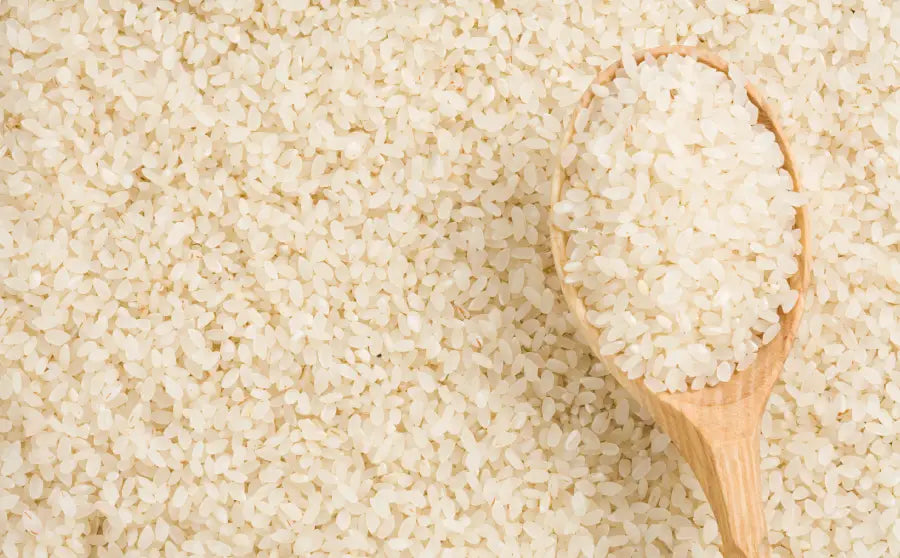
In recent years, the demand for organic products has grown rapidly as more people pay attention to what they eat and where their food comes from. But many still ask a simple question: what is organic food?
Organic food refers to food that is grown and processed using natural and environmentally responsible farming methods. Unlike conventional farming, organic agriculture avoids synthetic chemicals, genetically modified organisms (GMOs), and artificial additives.
This beginner’s guide explains everything you need to know about organic food; from how it’s produced to why it’s becoming a popular choice for healthier living. At SFMart, explore our diverse range of organic rice, including organic brown rice, black rice, organic grains and more.
What Is Organic Food?
Organic food is produced using natural farming practices that prioritize soil health, environmental sustainability, and minimal chemical use.
In simple terms, organic foods are grown without:
- Synthetic pesticides
- Chemical fertilizers
- Genetically modified organisms (GMOs)
- Artificial preservatives or additives
Organic farmers rely on natural fertilizers, crop rotation, composting, and biological pest control to grow crops and maintain soil fertility.
Because of these practices, organic foods are often viewed as cleaner, more natural, and environmentally friendly. If you wish to learn more about how organic foods are important for your health, read our well-curated blog here.
How Organic Farming Works
Organic farming focuses on maintaining a balanced ecosystem rather than relying on artificial chemicals.
Some of the key practices used in organic farming include:
Natural Soil Fertility
Organic farmers use compost, manure, and natural fertilizers to nourish the soil instead of chemical fertilizers.
Crop Rotation
Farmers rotate crops every season to maintain soil nutrients and reduce pests naturally.
Biological Pest Control
Instead of chemical pesticides, organic farms use natural predators, plant-based sprays, and other eco-friendly pest management methods.
Sustainable Farming Methods
Organic farming protects biodiversity, soil health, and water quality by reducing pollution and chemical runoff.
These practices help create a farming system that is healthier for the environment and for consumers.
Types of Organic Foods
Organic food is available in many categories, including:
- Organic Fruits and Vegetables
- Organic Grains and Rice
- Organic Beans and Legumes
- Organic Pantry Staples
What Makes Organic Food Different?
The main difference between organic and conventional food lies in how the food is produced.
No Synthetic Chemicals
Organic farming limits the use of synthetic pesticides and fertilizers.
Non-GMO Production
Organic standards prohibit genetically modified organisms.
Environmentally Responsible Farming
Organic agriculture supports biodiversity and reduces environmental damage.
Minimal Processing
Organic foods are usually processed with fewer artificial ingredients and additives.
Because of these factors, organic foods are often perceived as more natural and sustainable.
Health Benefits of Organic Food
Many people choose organic foods because they want to adopt healthier eating habits.
Some potential benefits include:
Reduced Exposure to Pesticides
Organic foods generally contain lower pesticide residues compared to conventionally grown products.
More Natural Ingredients
Organic foods often contain fewer artificial additives and preservatives.
Richer Nutrient Content
Some research suggests organic foods may contain higher levels of antioxidants and beneficial nutrients.
Better Overall Diet Quality
People who eat organic often consume more whole foods like fruits, vegetables, grains, and legumes.
While nutrition can vary depending on many factors, organic foods encourage cleaner and more mindful eating habits.
Environmental Benefits of Organic Farming
Organic farming is not only about food quality; it also plays an important role in protecting the planet.
Some environmental benefits include:
- Healthier soil and improved soil fertility
- Reduced chemical pollution in water systems
- Increased biodiversity and wildlife protection
- Lower environmental impact from farming practices
Because organic farming focuses on sustainability, it helps create a more balanced and resilient agricultural system.
Is Organic Food Worth It?
Organic foods sometimes cost more than conventional products because organic farming requires:
- More labor-intensive practices
- Smaller crop yields
- Strict certification standards
However, many consumers believe the benefits; such as reduced chemical exposure, better farming practices, and improved environmental sustainability; make organic foods a worthwhile investment.
For many households, starting with organic staples like rice, grains, and beans can be a practical first step toward healthier eating.
Where to Buy High-Quality Organic Foods
As interest in organic living continues to grow, many consumers prefer buying organic foods from reliable sources.
One such platform is SFMart, an online marketplace offering a wide range of organic pantry essentials. SFMart provides access to products such as:
- Organic white rice
- Organic brown rice
- Organic black rice
- Organic mixed grains and other healthy staples
By sourcing foods grown through sustainable farming methods, SFMart helps make it easier for consumers to incorporate organic products into their everyday meals.
Tips for Beginners Switching to Organic Food
If you are new to organic eating, you don’t need to change your entire diet overnight. Small steps can make a big difference.
Here are some beginner-friendly tips:
Start With Staple Foods
Switch everyday items like rice, grains, and beans to organic options.
Read Product Labels
Look for certified organic labels to ensure authenticity.
Focus on Whole Foods
Choose natural foods like grains, vegetables, fruits, and legumes.
Build an Organic Pantry
Gradually replace conventional items with organic alternatives as you shop.
This gradual approach makes the transition to organic food simple and sustainable.
Final Thoughts
Understanding what organic food is helps consumers make more informed decisions about the foods they eat. Organic foods are grown using natural farming practices that avoid synthetic chemicals, support environmental sustainability, and promote healthier agricultural systems.
While both organic and conventional foods have their place in modern diets, many people prefer organic options for their cleaner production methods and environmental benefits.
If you’re beginning your organic journey, exploring trusted marketplaces like SFMart can help you discover high-quality organic grains, rice, and pantry essentials that make healthy eating easier and more accessible.


