
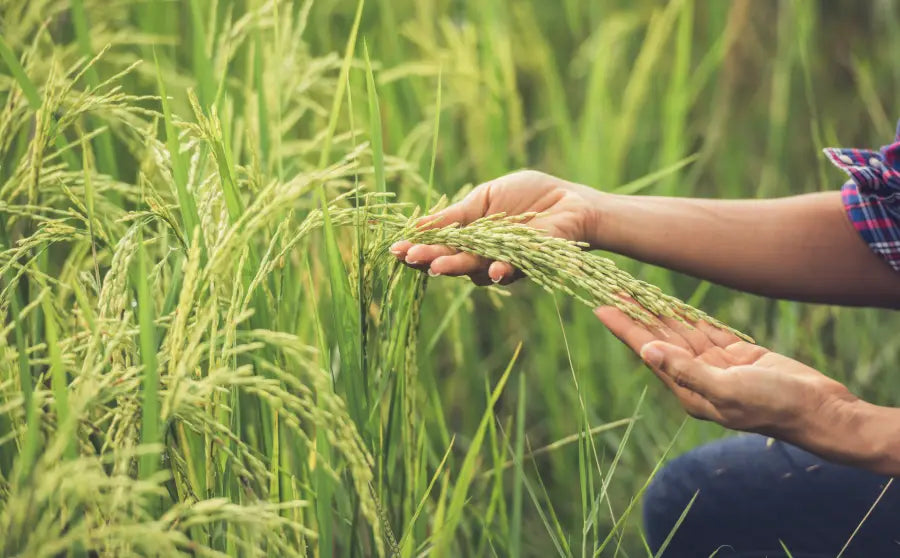
Many people switch to organic rice expecting it to be completely free from contaminants. The reality is more nuanced. Even organic rice can contain arsenic, and understanding why helps you make better, more informed choices when buying and consuming rice in the U.S.
This topic ‘does organic rice have arsenic?’ builds on that foundation, especially when you consider how sourcing, storage, and variety all play a role in food quality.
The Short Answer
Yes, organic rice can contain arsenic.
- Arsenic is a naturally occurring element found in soil and water
- Rice absorbs more arsenic than most other crops
- Organic farming does not eliminate naturally occurring heavy metals
What changes with organic rice is the farming process, not the environmental presence of arsenic.
Why Does Rice Contain Arsenic?
Arsenic exists naturally in the earth’s crust and can dissolve into groundwater. Since rice is typically grown in flooded conditions, it absorbs arsenic more efficiently than other grains.
Key reasons include:
- Naturally occurring arsenic in soil and irrigation water
- Historical use of arsenic-based pesticides in some regions
- Flooded paddy farming, which increases arsenic uptake
According to the U.S. Food and Drug Administration, arsenic enters the food supply through environmental exposure and cannot be completely avoided in crops like rice.
Research also shows that rice accumulates higher levels of inorganic arsenic, which is considered more harmful than organic forms.
Organic vs Conventional Rice: What Is the Real Difference?
Organic rice follows strict farming standards, but these standards focus on inputs and practices, not environmental contaminants. The difference between organic and conventional rice is well-explained here.
What organic rice ensures:
- No synthetic pesticides or fertilizers
- No genetically modified seeds
- Regulated and certified farming practices
What it does not ensure:
- Zero arsenic content
- Lower arsenic levels in all cases
Studies indicate that arsenic uptake depends more on soil and water conditions than whether the rice is organic or conventional.
This is why understanding sourcing matters just as much as understanding labeling.
Does Organic Rice Have Less Arsenic?
There is no consistent answer.
- Some studies show similar arsenic levels in both organic and conventional rice
- Others show slight variations depending on farming conditions
- Geographic origin is often the most important factor
For example:
- Rice grown in parts of the southern United States has historically shown higher arsenic levels due to past agricultural practices
- Basmati rice from regions like India and Pakistan and jasmine rice from Thailand often show lower levels
This is why many organic food platforms, including SFMart, focus on sourcing transparency across their organic rice, grains, and flour collections rather than relying only on labeling claims.
Types of Rice and Arsenic Levels
Brown Rice vs White Rice
Brown rice generally contains more arsenic than white rice.
- Arsenic accumulates in the outer bran layer
- Brown rice retains this layer, while white rice removes it during processing
The Cleveland Clinic confirms that brown rice tends to have higher arsenic levels for this reason.
Rice-Based Products
Processed rice products may contain higher arsenic concentrations, including rice flour and related ingredients often discussed in comparisons like sweet rice flour vs rice flour, as well as infant rice cereals, rice milk, and rice syrups.
- Infant rice cereals
- Rice milk
- Rice syrups
Is Arsenic in Rice Dangerous?
The risk depends on overall exposure.
- Arsenic is a toxic element linked to long-term health issues
- Risk increases with frequent and high consumption
- Vulnerable groups include infants and people who rely heavily on rice-based diets
The FDA emphasizes that health effects depend on dose, duration, and total dietary exposure.
For most adults, moderate rice consumption is considered safe.
How to Reduce Arsenic in Rice
You cannot eliminate arsenic completely, but you can significantly reduce it.
1. Cook Rice with Extra Water
- Use a higher water ratio, such as 6:1
- Drain excess water after cooking
This method can reduce arsenic content by up to 40 to 60 percent.
2. Rinse Rice Thoroughly
- Helps remove surface starch and minor contaminants
- Not a complete solution but still useful
3. Choose Rice Varieties Carefully
- White rice tends to have lower arsenic than brown rice
- Basmati and jasmine rice are often lower in arsenic
4. Diversify Your Grains
Relying only on rice increases long-term exposure. Including other grains helps balance your diet.
Options include quinoa, barley, oats, and millet, which itself comes in different varieties like hulled and glutinous millet, each suited for different cooking needs. Learn more about the hulled millet vs glutinous millet difference if you're exploring millet as an alternative.
This is where exploring a wider range of organic grains and flours becomes useful, not just for nutrition but also for reducing repeated exposure to a single food source.
Storage and Arsenic: What You Should Know
While storage does not reduce arsenic levels, it still plays an important role in overall rice quality and safety.
Proper storage helps:
- Prevent moisture buildup
- Reduce risk of mold or contamination
- Maintain nutritional quality over time
If you are storing rice in bulk, especially organic varieties, it is worth following best practices like airtight containers and cool, dry conditions. Guides such as “how to store rice long term” explain these steps in detail and help ensure your rice stays safe and usable for extended periods.
Should You Stop Eating Organic Rice?
There is no need to avoid organic rice completely.
Rice remains a staple food and is safe when consumed in moderation. Organic rice still offers benefits such as reduced exposure to synthetic chemicals and more sustainable farming practices.
What matters most is:
- Choosing well-sourced rice
- Varying your grains
- Using proper cooking methods
Final Thoughts
Organic rice can contain arsenic, but this is due to natural environmental factors rather than farming practices. The key is not to avoid rice, but to approach it with awareness.
Understanding where your rice comes from, how it is processed, and how you prepare it can make a meaningful difference. This is why many consumers look beyond labels and focus on sourcing, variety, and proper storage, whether they are buying organic rice, grains, organic beans and lentils and flours as part of a balanced pantry.


