
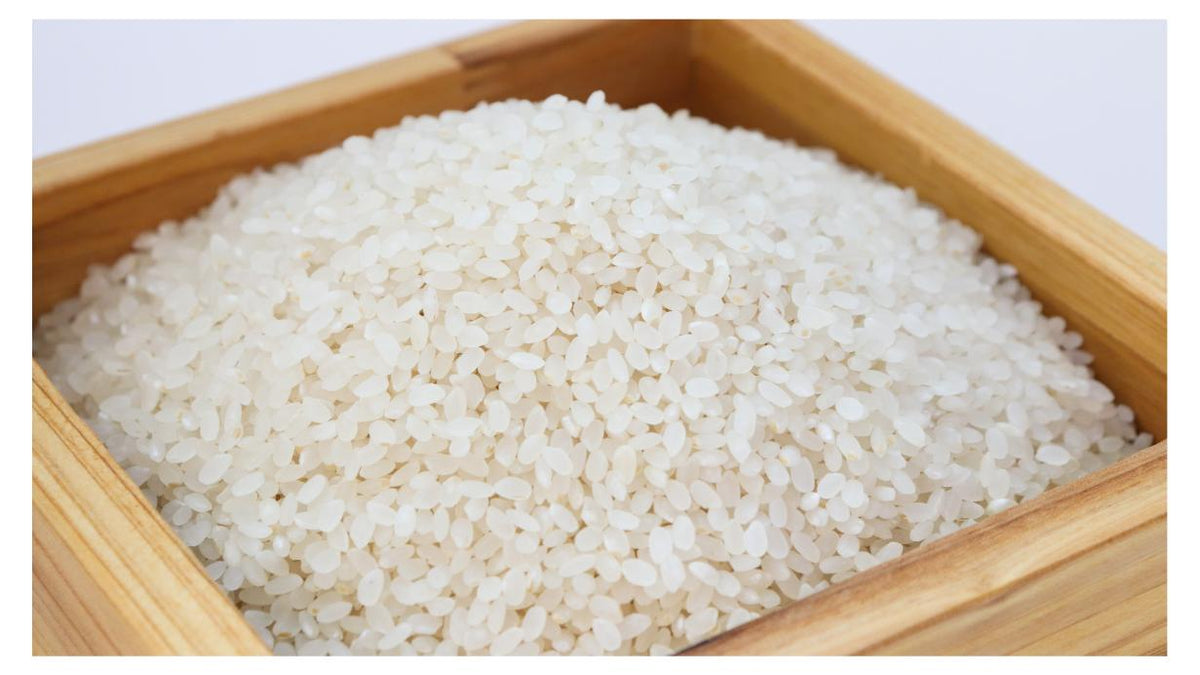
Buying bulk organic rice is a genuinely smart choice for households and businesses that value quality, sustainability, and savings all at once. Rice is one of the most reliable pantry staples out there, which makes it one of the easiest ingredients to buy in bulk without worrying about it going to waste. At SFMart, bulk rice is one of the most common ways customers stock their pantry, and understanding how to choose, store, and use it properly makes a real difference in getting the most out of every bag. In this guide, we'll cover the benefits of buying rice in bulk, key factors to look for, common mistakes to avoid, and how to store it so it stays fresh for months.
We'll also highlight some premium options, like McCabe Organic Brown Rice, White Rice, and Black Rice, available at SFMart.
Benefits of Buying Bulk Organic Rice
Cost Savings
Buying bulk organic rice is typically significantly more affordable per pound than purchasing smaller bags repeatedly. Buying in bulk means paying less for packaging overhead and reducing how often you need to repurchase, which adds up to real savings over a year of regular use. A bag of McCabe Organic White Rice, 12lbs is a good example of how much further your budget stretches when buying larger quantities upfront.
Reduced Packaging Waste
Bulk purchases generally come with far less packaging relative to the amount of food, which cuts down on plastic and other non-recyclable waste. For anyone trying to make more environmentally conscious grocery choices, this is one of the simplest, lowest-effort swaps available.
High-Quality Rice Varieties
Bulk organic options like McCabe Organic Brown Rice offer genuinely superior flavor and nutritional value compared to lower-grade bulk alternatives. Buying in bulk lets you enjoy consistently high-quality rice for longer and ensures you always have a reliable supply of healthy grains on hand, without last-minute grocery runs.
Mistakes to Avoid When Buying Bulk Organic Rice
Not Checking Rice Quality
When buying in bulk, it's easy to overlook rice quality in favor of price alone. It's worth choosing reputable, established brands, like McCabe Organic White Rice from SFMart, known for premium-grade, non-GMO organic rice, rather than an unfamiliar bulk brand with no clear sourcing information.
Failing to Store Properly
Without proper storage, rice can lose flavor and nutritional value, or worse, become infested with pantry pests. Keep bulk rice in airtight containers in a cool, dry place, and consider portioning some into smaller containers for daily use so the main supply stays sealed and fresh longer.
Ignoring the Importance of Rice Varieties
Different rice varieties genuinely suit different dishes, so understanding the types, including the long-grain vs. short-grain distinction, matters more than it might seem. Organic sushi rice is best for Japanese dishes thanks to its sticky texture, while organic sweet rice is ideal for desserts and traditional Asian sweets, and neither performs well as a stand-in for a fluffy, everyday white or brown rice.
How to Store Bulk Rice Properly
Buying in bulk only pays off if the rice actually stays fresh until you use it, so storage deserves real attention, not an afterthought.
White rice stored in a sealed, airtight container in a cool, dry pantry can stay fresh for up to four to five years, since its milling process removes the oil-rich bran layer that's most prone to spoiling. Brown rice, by contrast, retains that bran layer, along with its natural oils, which means it has a considerably shorter shelf life, generally three to six months at room temperature in its original packaging, or up to six months in a properly sealed airtight container. If you're buying a large bulk quantity of brown rice specifically, consider refrigerating or freezing what you won't use within a couple of months to extend its freshness. For more on brown rice's nutritional profile and how it compares to white rice, see our guide on brown rice health benefits.
A few practical storage habits worth adopting:
- Transfer rice to a food-safe, airtight container immediately after opening, rather than leaving it in the original packaging, which is rarely fully sealed once opened.
- Store in a cool, dark place, away from direct sunlight and heat sources like the stove, both of which accelerate spoilage.
- Portion out a smaller, everyday container for regular use, keeping the bulk of your supply sealed and undisturbed to minimize air exposure.
- Consider a brief freeze for new bulk purchases. Placing rice in the freezer for a few days before long-term storage can help eliminate any pantry pest eggs that may already be present, a common tip among bulk buyers.
Top Organic Rice Choices at SFMart
- McCabe Organic Brown Rice: Great for diabetes management thanks to its fiber content and lower glycemic index. We cover its full nutritional case in our guide on brown rice health benefits.
- McCabe Organic Black Rice: Known for its antioxidant properties, adding a genuine nutritional boost along with striking color and texture to any dish. If you're looking for ways to use it, our roundup of organic black rice recipes is a great place to start.
- McCabe Organic Sushi Rice: Perfect for sushi lovers who want authentic taste, texture, and quality in every roll.
How to Choose the Right Organic Rice for Your Needs
When buying bulk organic rice, it helps to understand the different types available and how each one suits specific culinary needs. McCabe Organic White Rice is ideal for everyday meals, offering a neutral flavor that pairs well with virtually any dish. McCabe Organic Brown Rice retains more of the grain's bran layer, giving it a nuttier flavor, higher fiber content, and a lower glycemic index, making it an excellent option for people managing blood sugar levels.
McCabe Organic Black Rice, often called "forbidden rice," is prized for its unique flavor and rich antioxidant properties, making it a favorite among health-conscious eaters. Its striking color and texture also add a visually distinctive touch to dishes, beyond just the nutritional upside.
If you're wondering whether the "organic" label on bulk rice actually reflects meaningful differences in growing practices, our guide on how to know if rice is organic breaks down exactly what to look for on the label.
Final Thoughts
Buying bulk organic rice is a genuinely smart move for cost savings, reduced packaging waste, and consistent access to high-quality grains, as long as you store it properly and choose your variety with intention rather than by price alone.
Discover a range of premium bulk organic rice varieties at SFMart, including McCabe Organic Brown Rice and McCabe Organic Black Rice. Save money, reduce waste, and enjoy high-quality rice with every meal. If you're rounding out your bulk pantry beyond rice, our guide on why you should buy organic oats is a great next stop. Shop now at SFMart!


