
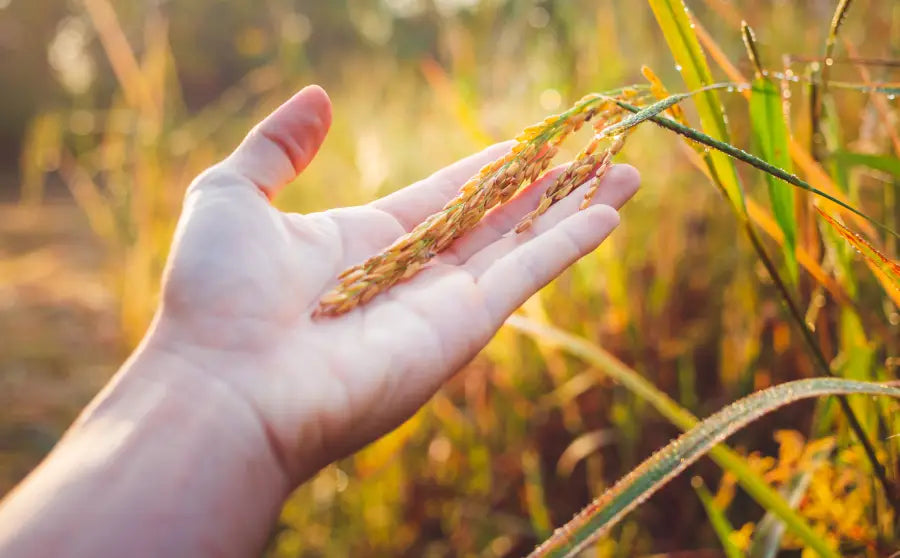
If you are trying to buy clean, high-quality rice in the U.S., choosing a trusted source makes a big difference. Platforms like SFMart focus on carefully sourced organic grains, which already reduces the risk of buying misleading or falsely labeled products. If you are new to organic eating, their guides like “what is organic food” and “importance of organic foods for your health” are a good starting point to understand why organic choices matter before you even step into the buying process.
Buying organic rice sounds simple, but it is easy to get misled by labels like “natural” or “eco-friendly.” This guide explains exactly how to verify if your rice is genuinely organic, based on USDA standards and what top-ranking content covers. At SFMart, explore our diverse range of organic rice, organic grains and more.
What Does “Organic Rice” Actually Mean?
In the U.S., “organic” is a regulated term under the USDA National Organic Program (NOP).
For rice to be labeled organic:
- It must be grown without synthetic pesticides or fertilizers
- It cannot be genetically modified (non-GMO)
- Farmers must follow strict soil and sustainability standards
It must be certified by a USDA-accredited agency
In simple terms, organic rice is verified from farm to shelf. It is not just a claim on the packaging. In order to understand what is organic food, you might want to read along.
1. Look for the USDA Organic Seal
The easiest way to confirm organic rice is to check for the USDA Organic seal on the packaging.
- “100% Organic” means all ingredients are organic
- “Organic” means at least 95% organic
- “Made with organic ingredients” means at least 70% organic.
If you are buying plain rice, it should ideally say “100% organic” or at least “organic” with the USDA seal. Organic rice includes a range of organic white rice, brown rice and organic black rice.
2. Check the Certifying Agency
A real organic product will always mention a certifying body.
You will usually see something like:
“Certified Organic by (a certain agency)”
This is required under USDA rules.
If the package says “organic” but does not list a certifier, that is a warning sign.
3. Read the Ingredient Label
Even for rice, the ingredient label matters.
It should be simple, such as:
- Organic long-grain rice
- Organic basmati rice
Be cautious if you see terms like:
- Natural rice
- Eco rice
- Chemical-free
These terms are not regulated and do not mean organic.
4. Understand U.S. Organic Label Categories
Here is how labeling works in the U.S.:
- 100% Organic: fully organic ingredients
- Organic: at least 95% organic
- Made with Organic Ingredients: at least 70% organic
- Less than 70% organic: cannot use “organic” on the front label
For single-ingredient foods like rice, anything less than “organic” usually means it is not fully organic.
5. Look at Packaging Transparency
Good organic brands are usually transparent about their product.
Look for:
- Country of origin
- Batch or lot number
- Harvest or milling information
Clear labeling builds trust and is often a sign of a genuine product.
6. Non-GMO Claims
All certified organic rice is already non-GMO.
Some brands may also include a “Non-GMO Project Verified” label. This is an extra reassurance, but it is not required.
7. Buying Bulk Rice
If you are buying from bulk bins or loose sections:
- A 5-digit PLU code starting with 9 indicates organic
- A 4-digit code indicates conventional
This is more common with produce, but some stores apply it to bulk grains. Organic grains are a staple in almost all countries, applicable to the entire US market.
8. Shopping at Farmers’ Markets
Not all rice sold at local markets is certified organic.
Some farmers use organic methods but are not officially certified.
You can ask:
- Are you USDA certified?
- What farming methods do you use?
If they claim certification, they should be able to show proof.
9. Common Red Flags
Here are some signs that rice may not be truly organic:
- No USDA Organic seal
- No certifying agency listed
- Vague marketing terms like “natural”
- No origin or traceability information
- Price that is unusually low compared to organic products
Organic certification is strict, and false claims can lead to penalties. Understanding the importance of organic foods for your health is important in order to understand the long-term value of switching to organic.
10. Can You Trust Organic Labels in the U.S.?
In most cases, yes.
Organic products in the U.S. go through inspections and certification at multiple stages. Farms and processors are audited regularly.
While fraud can happen, it is relatively rare and taken seriously.
Final Thoughts
If you keep a few simple checks in mind, it becomes easy to spot real organic rice:
- Look for the USDA Organic seal
- Check for a certifying agency
- Ignore vague marketing words like “natural”
Organic rice is not about fancy packaging. It is about verified standards that are monitored and enforced.
If you want to simplify your buying decision, SFMart offers a curated selection of organic-certified rice and grains that align with these standards.”


