
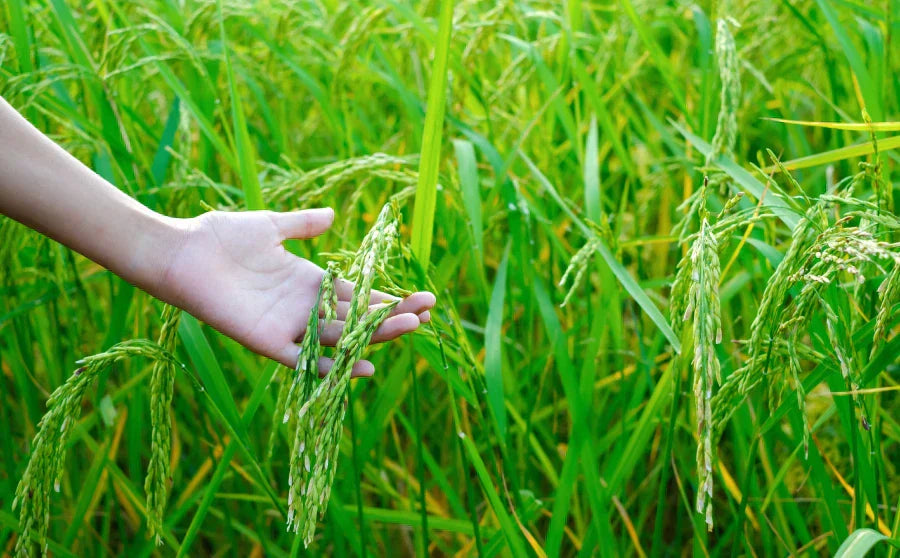
Organic rice farming is no longer a niche practice. It is becoming a major part of sustainable agriculture across the United States. With rising consumer awareness around clean eating, environmental impact, and food transparency, organic rice has gained strong traction in both retail and foodservice sectors.
This guide covers everything you need to know, from farming methods and benefits to comparisons with conventional rice and practical storage insights which you might want to learn on how to store rice long term.
What Is Organic Rice Farming?
Organic rice farming is a system of cultivation that avoids synthetic fertilizers, pesticides, herbicides, and GMOs. Instead, it relies on natural inputs and ecological balance.
Farmers use:
- Compost and animal manure instead of chemical fertilizers
- Biological pest control such as beneficial insects
- Crop rotation and cover crops to maintain soil fertility
This approach aligns with sustainable agriculture principles focused on long-term environmental health, efficient resource use, and economic viability.
Why Organic Rice Farming Is Growing in the U.S.
Consumer Health Awareness
Many consumers prefer organic foods to reduce exposure to chemical residues and support cleaner diets.
Environmental Sustainability
Organic farming helps:
- Reduce groundwater contamination
- Improve soil biodiversity
- Lower dependence on synthetic inputs
Soil Health and Long-Term Productivity
Organic systems can improve soil microbial diversity and maintain competitive yields over time when managed correctly.
Key Practices in Organic Rice Farming
Soil Fertility Management
Organic farmers replace synthetic fertilizers with:
- Compost
- Green manure crops like legumes
- Animal-based organic inputs
These methods enrich the soil naturally and support long-term productivity.
Water Management
Rice farming requires careful water control. Organic systems focus on:
- Efficient irrigation
- Reducing water waste
- Supporting natural ecosystems in rice paddies
Weed and Pest Control
Without chemicals, farmers rely on:
- Manual or mechanical weeding
- Crop rotation
- Natural predators
- Balanced ecosystems
Crop Rotation and Biodiversity
Rotating crops improves soil nutrients, reduces pest cycles, and strengthens farm resilience.
Organic Rice vs Conventional Rice
When comparing organic and conventional rice, the main differences lie in farming practices and environmental impact.
|
Factor |
Organic Rice |
Conventional Rice |
|
Fertilizers |
Natural inputs |
Synthetic chemicals |
|
Pest Control |
Biological methods |
Chemical pesticides |
|
Soil Health |
Improves over time |
Can degrade |
|
Environmental Impact |
Lower |
Higher |
|
Yield |
Stable long-term |
Higher short-term |
For a deeper comparison, read our guide on organic rice vs conventional rice, which explains health, sustainability, and farming differences in detail.
Benefits of Organic Rice Farming
Environmental Benefits
- Protects water systems
- Enhances biodiversity
- Reduces pollution
Economic Benefits
- Premium pricing in U.S. markets
- Increasing consumer demand
Social Benefits
- Safer conditions for farmers
- Supports sustainable food systems
Challenges in Organic Rice Farming
- Higher labor requirements
- Certification and compliance costs
- Transition period before full organic status
- Possible short-term yield fluctuations
Despite these challenges, long-term gains often outweigh the initial difficulties.
Organic Rice in Everyday Consumption
Organic rice is often part of a broader shift toward clean and balanced eating. Many households combine it with:
- Organic lentils and beans
- Whole grains
- Organic flours for home cooking
Retailers like SFMart offer a wide range of organic pantry essentials, including Organic rice, Organic grains, Organic flours, Organic beans and lentils. This it easier for consumers to maintain consistency in their organic food choices without switching between multiple sources.
Storage Matters: Extending the Shelf Life of Organic Rice
Proper storage is essential, especially when buying in bulk.
If you are planning long-term storage, our guide on how to store rice long term covers everything from container choices to shelf life.
Best Practices
- Store in a cool, dry, and dark place
- Use airtight containers
- Avoid moisture exposure
White rice can last for years under proper conditions, while brown rice has a shorter shelf life due to natural oils.
The Future of Organic Rice Farming in the US
Organic rice farming is expected to grow steadily due to:
- Rising demand for sustainable food
- Increased awareness of environmental impact
- Expansion of organic grocery and e-commerce markets
New approaches like regenerative agriculture and improved farming techniques are also making organic systems more efficient and scalable
Final Thoughts
Organic rice farming reflects a shift toward sustainable and responsible agriculture. While nutritional differences between organic and conventional rice may be modest, the environmental and long-term farming benefits are significant.
As access improves through retailers offering organic rice alongside grains, flours, lentils, and beans, adopting organic staples in everyday life is becoming more practical for U.S. consumers.


