
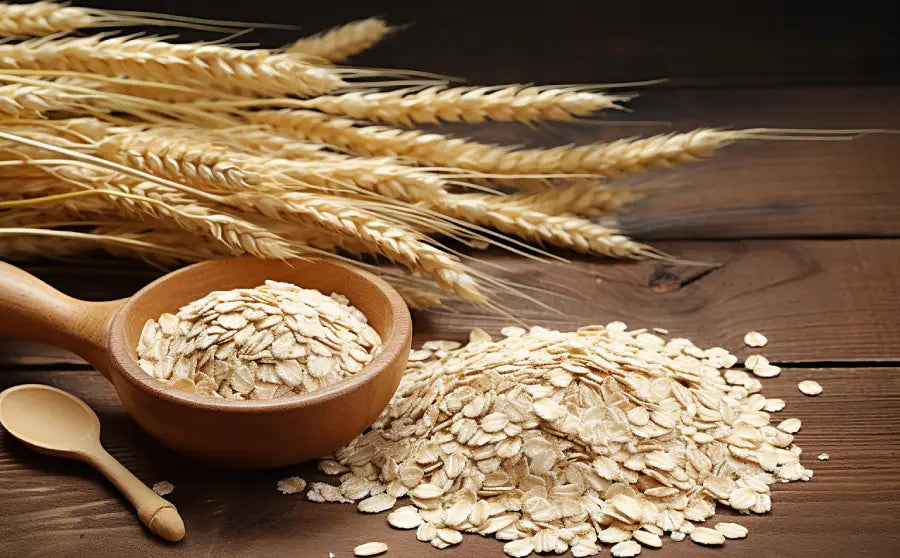
Choosing organic grains is a step toward cleaner eating, but not all organic products offer the same level of quality. Many shoppers assume that the word “organic” guarantees freshness, purity, and nutritional value. In reality, organic certification is only one part of the equation. Factors like sourcing, processing, storage, and transparency all play a role in determining whether you are actually buying high-quality organic grains.
This guide breaks down exactly how to identify high-quality organic grains in the U.S., based on USDA standards, expert recommendations, and what top-ranking content already covers.
What Does “High-Quality Organic Grains” Really Mean?
Before evaluating quality, it helps to understand what “organic” covers and what it does not.
Under the USDA National Organic Program:
- Organic grains are grown without synthetic pesticides or fertilizers
- They are non-GMO
- They must be certified by a USDA-accredited agency
However, organic certification does not guarantee:
- Freshness
- Nutrient density
- Proper storage
- Clean processing
That is why understanding the broader concept of organic food is important. Many consumers start by learning the basics through guides like “what is organic food,” which explain how organic standards focus on farming practices rather than final product quality.
1. Look for the USDA Organic Seal and Certification Details
The first and most important step is verifying certification.
High-quality organic grains should always have:
- The USDA Organic seal
- A certifying agency listed (for example, “Certified Organic by SF Mart”)
This ensures the product meets federal organic standards.
If a product claims to be organic but does not list a certifier, it is a red flag.
2. Check Ingredient Simplicity and Label Clarity
Organic grains should have minimal and clear labeling.
For example:
- Organic brown rice
- Organic whole wheat flour
- Organic quinoa
Avoid products with:
- Unclear or vague ingredient descriptions
- Additives or preservatives in grain products that should be pure
Clear labeling often reflects better quality control and transparency.
3. Evaluate the Grain’s Appearance
Visual quality is one of the easiest ways to assess grains.
High-quality organic grains typically have:
- Uniform size and shape
- Natural color without dullness or discoloration
- Minimal broken or fragmented grains
Low-quality grains may show:
- Excessive broken pieces
- Dust or residue
- Uneven coloring
These signs can indicate poor processing or storage conditions.
4. Check for Freshness Indicators
Freshness plays a major role in quality.
Look for:
- Recent packaging or milling date
- Airtight packaging
- Absence of moisture or clumping
Organic grains do not contain preservatives, so they are more sensitive to storage conditions. This is why proper storage practices are essential after purchase as well. Guides like “how to store rice long term” highlight how factors such as air exposure, humidity, and temperature can affect grain quality over time.
5. Consider the Source and Origin
Where the grain is grown matters just as much as how it is labeled.
High-quality organic grains often provide:
- Country or region of origin
- Information about sourcing or farming practices
For example:
- Basmati rice from South Asia
- Quinoa from South America
- Wheat from specific U.S. regions
Transparency about origin helps build trust and often correlates with better quality.
Many curated selections of organic rice, grains, and organic flours emphasize sourcing details because they directly impact taste, texture, and consistency.
6. Assess Packaging Quality
Packaging is more important than most people realize.
High-quality organic grains are usually packed in:
- Sealed, moisture-resistant bags
- BPA-free or food-grade materials
- Resealable or protective packaging
Poor packaging can lead to:
- Contamination
- Loss of freshness
- Pest exposure
Since organic grains lack chemical preservatives, packaging plays a key role in maintaining their quality.
7. Look for Third-Party Certifications Beyond USDA
While the USDA Organic seal is essential, additional certifications can signal higher standards.
Examples include:
- Non-GMO Project Verified
- Fair Trade certification
These are not required but can indicate stronger quality and ethical sourcing practices.
8. Smell and Texture (For Open or Bulk Grains)
If you are buying grains in bulk or from open bins:
Check for:
- A clean, mild, natural smell
- No musty or sour odor
- Dry, firm texture
Signs of poor quality include:
- Dampness
- Clumping
- Off or stale smell
These issues often result from improper storage.
9. Understand Processing Methods
Processing affects both quality and nutrition.
High-quality organic grains are often:
- Minimally processed
- Free from bleaching or artificial polishing
- Retain more of their natural structure
For example:
- Stone-ground flours tend to retain more nutrients
- Less refined grains maintain better texture and flavor
When exploring organic flours and grain products, processing transparency is a strong indicator of quality.
10. Price vs Quality: What to Expect
Organic grains are usually more expensive than conventional ones, but price alone does not guarantee quality.
Be cautious of:
- Prices that are unusually low for organic products
- Bulk deals with limited labeling or traceability
Higher-quality organic grains reflect:
- Certification costs
- Better sourcing
- Improved handling and storage
11. Brand Transparency and Product Range
Brands that offer a wide range of organic staples, including rice, grains, and flours, often invest more in quality control and sourcing.
Look for:
- Clear product descriptions
- Consistent quality across categories
- Educational content about organic foods
For example, platforms that provide not just products but also resources on organic food basics and proper storage tend to focus more on long-term quality rather than just sales.
Common Mistakes to Avoid
When buying organic grains, many consumers make these mistakes:
- Assuming “organic” automatically means high quality
- Ignoring packaging and storage conditions
- Not checking certification details
- Overlooking grain appearance and freshness
- Buying in bulk without proper storage knowledge
Avoiding these mistakes can significantly improve your buying decisions.
Final Thoughts
Identifying high-quality organic grains goes beyond checking for an organic label. It requires attention to certification, sourcing, freshness, and storage.
The most reliable approach is to combine:
- Verified organic certification
- Transparent sourcing
- Proper packaging
- Good storage practices
Whether you are buying organic rice, whole grains, or flours, focusing on these factors helps ensure that you are getting both quality and value.


