
What’s really on your plate?
Over the past few years, people have become far more mindful about the food they eat and where it actually comes from. One topic that continues to gain attention is organic food health. As consumers become more conscious about nutrition, environmental impact, and food quality, organic food has become an increasingly popular choice for individuals and families looking to improve their overall well-being.
But what exactly makes organic food healthier, and why does it matter?
What Is Organic Food?
Organic food refers to products that are grown and processed without the use of synthetic pesticides, chemical fertilizers, genetically modified organisms (GMOs), or artificial additives. Organic farming focuses on natural processes that maintain soil health, protect biodiversity, and promote sustainable agricultural practices.
Because of these natural methods, many people believe organic food offers significant advantages when it comes to organic food health.
Why Organic Food Matters for Your Health?
Lower Exposure to Harmful Chemicals
One of the main reasons people choose organic food is to reduce their exposure to harmful chemicals. Conventional farming often uses pesticides and herbicides to protect crops from insects and weeds. While these chemicals help increase production, traces of them can sometimes remain on the food we consume.
Organic farming avoids these synthetic chemicals, which means organic foods typically contain fewer pesticide residues. For individuals who prioritize organic food health, this reduction in chemical exposure is an important benefit.
Higher Nutritional Value
Another factor that supports organic food health is the potential for higher nutritional content. Some studies suggest that organic fruits, vegetables, and grains may contain higher levels of certain antioxidants and nutrients compared to conventionally grown foods.
Organic farming practices encourage healthier soil, which plays a key role in nutrient-rich crops. When soil is well-maintained and naturally fertilized, it often produces plants with stronger nutritional profiles.
Better for Digestive Health
Organic foods are often less processed and free from artificial preservatives, additives, and colorings. Many people find that diets rich in natural and minimally processed foods support better digestion and overall gut health.
By focusing on whole and naturally grown ingredients, organic diets can contribute to a balanced and healthier eating pattern, which is another reason why organic food health continues to gain importance.
Environmental Benefits
The benefits of organic food health go beyond personal nutrition. Organic farming methods are also designed to protect the environment. These practices focus on preserving soil fertility, conserving water, and reducing pollution caused by chemical fertilizers and pesticides.
Organic farms often promote biodiversity by supporting natural ecosystems, including beneficial insects, birds, and microorganisms. When consumers choose organic products, they are also supporting agricultural practices that protect the planet.
Supporting Sustainable Agriculture
Another key aspect of organic food health is the support it provides to farmers who follow sustainable farming methods. Organic agriculture encourages crop rotation, natural pest control, and responsible land management.
By purchasing organic food, consumers help support farming communities that prioritize long-term environmental health rather than short-term production gains.
Improved Taste and Freshness
Many people believe organic foods taste better. Because organic produce is grown naturally and often harvested at the right time, it tends to retain its natural flavor and freshness.
While taste can vary depending on the product, many consumers report that organic fruits, vegetables, and grains have richer and more authentic flavors. This makes organic foods enjoyable while also supporting the concept of organic food health.
Making Organic Food Part of Your Lifestyle
Switching completely to organic food may not always be necessary or practical. However, gradually adding organic products to your diet can be a good start. Many people begin by choosing organic versions of commonly consumed items such as rice, fruits, vegetables, grains, and dairy products.
The key is to focus on balance and make informed food choices that support both health and sustainability.
Discover Organic Choices at SFMart
If you are looking for a reliable place to explore organic food options, SFMart offers a variety of carefully sourced products that support both quality and sustainability.
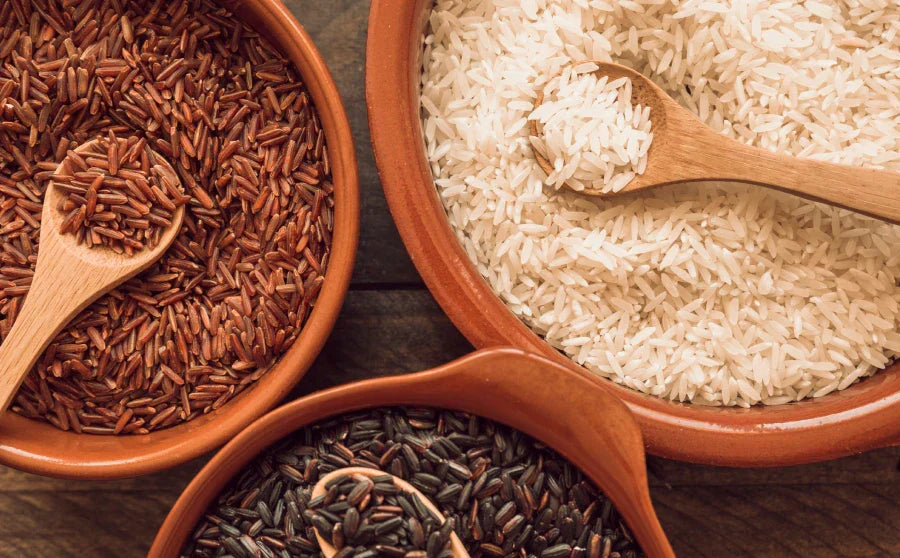
Their marketplace includes organic pantry staples such as organic white rice, organic brown rice, and organic black rice, which are popular ingredients for everyday cooking. These grains are grown without harmful chemicals and are selected to maintain their natural taste and nutritional value.
For example, organic brown rice can be used in healthy grain bowls or stir-fries, while organic black rice is often used in nutrient-rich salads and traditional dishes. By choosing such products from trusted sources, consumers can easily incorporate organic food health into their regular meals.
SFMart focuses on connecting consumers with responsibly grown food, making it easier to find organic products that support healthier lifestyles and sustainable agriculture.
Final Thoughts
Understanding the importance of organic food health can help people make better decisions about the food they eat every day. Organic foods offer several benefits, including reduced chemical exposure, potential nutritional advantages, and support for environmentally friendly farming practices.
While organic food may not be the only factor in maintaining a healthy lifestyle, it can certainly play a valuable role in promoting better health, sustainable agriculture, and a more responsible food system.
As awareness continues to grow, organic food is becoming more accessible, making it easier for people to choose healthier and more natural options for themselves and their families.


