
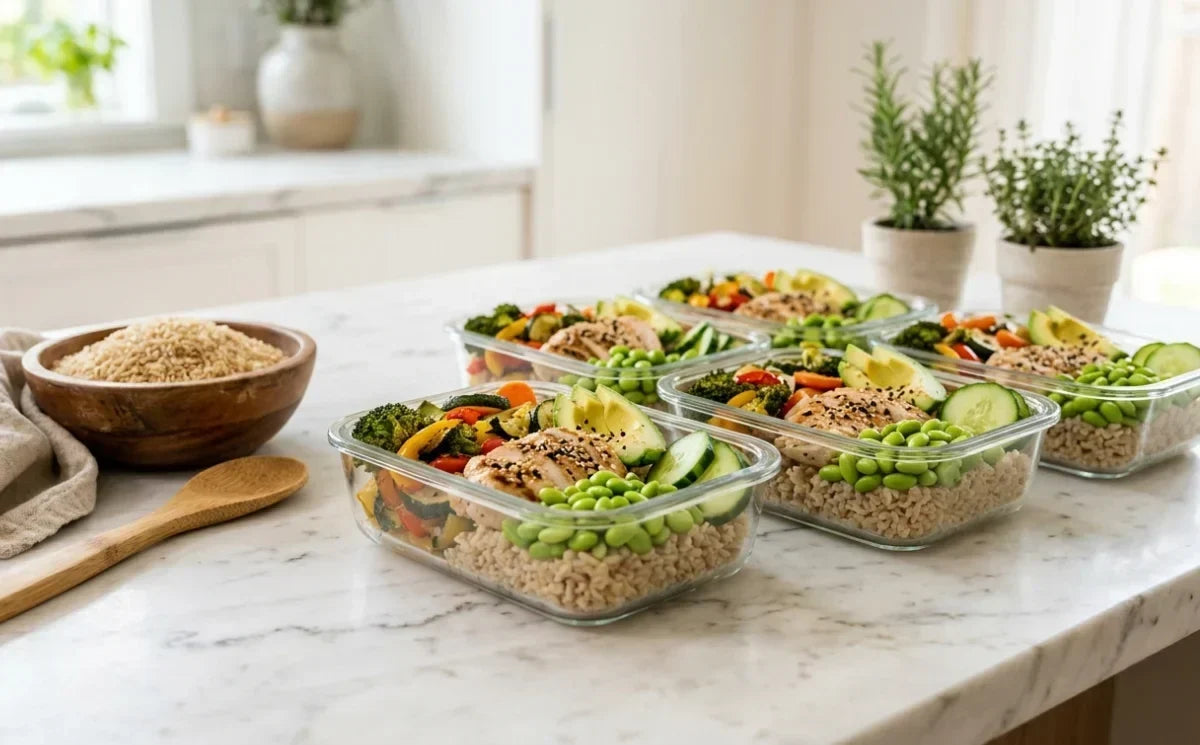
Maintaining a healthy diet can be challenging between busy work schedules, family responsibilities, and social commitments. That's where organic sweet brown rice comes in; a nutrient-dense whole grain that's easy to work into your weekly meal prep without sacrificing flavor or texture. At SFMart, we carry McCabe premium organic sweet brown rice, sourced for quality and grown sustainably, so it's simple to bring this versatile grain into your kitchen.
In this guide, we'll break down what makes sweet brown rice different from regular rice, its nutritional benefits, how to cook it, and easy ways to add it to your meals.
What Is Organic Sweet Brown Rice?
Sweet brown rice (also called brown glutinous rice or brown sticky rice) is the whole-grain version of sweet rice; meaning the bran layer is left intact rather than polished away. This gives it a chewier bite and slightly nuttier flavor than white sweet rice, along with more fiber and nutrients. It's a short-grain rice commonly used in Asian cuisine, prized for its sticky, chewy texture that works well in sushi, rice cakes, and rice puddings.Its natural sweetness is what gives the rice its name, setting it apart from standard brown rice.
Sweet brown rice vs. regular brown rice:
Regular brown rice has a firmer, more separate grain structure (similar to long-grain white rice), while sweet brown rice is almost pure amylopectin starch, giving it a soft, sticky, clumping texture once cooked; closer to the glutinous rice used in mochi or tamales, but with the bran retained.
But ‘Is brown rice good for triglycerides?’ Learn more here.
Nutritional Benefits of Organic Sweet Brown Rice
Sweet brown rice is a good source of dietary fiber, protein, and essential minerals like magnesium, phosphorus, and potassium.Here's why that matters:
- Fiber-Rich: The high fiber content helps regulate digestion and supports healthy blood sugar levels.
- Plant-Based Protein: Provides a solid protein boost compared to refined white rice varieties.
- Magnesium & Minerals: Supports muscle function, energy production, and overall metabolic health.
- Lower Glycemic Impact: As a fiber-rich whole grain, it digests more slowly than refined white rice, helping avoid sharp blood sugar spikes.
- Naturally Gluten-Free: Despite the name "glutinous," sweet brown rice contains no gluten; it's safe for gluten-sensitive diets.
You'll find these same nutritional qualities in our organic sweet brown rice, making it an easy way to add a nutrient-dense whole grain to your pantry staples. You can also learn more about the health benefits of brown and white rice here.
How to Cook Organic Sweet Brown Rice
Because sweet brown rice retains its bran layer, it benefits from a short soak before cooking to help it cook evenly and reach its signature chewy-sticky texture.
- Rinse the rice thoroughly until the water runs mostly clear.
- Soak for at least 30 minutes (or overnight for a softer texture).
- Combine with water at a roughly 1:1.25 rice-to-water ratio.
- Simmer, covered, on low heat for around 20–25 minutes.
- Rest off the heat for 5–10 minutes before fluffing and serving.
Cooking a larger batch and storing portions in the fridge or freezer makes weekday meal prep much easier.
Ways to Use Organic Sweet Brown Rice
Sweet brown rice's versatility makes it easy to fit into both savory and sweet dishes, and it can even be ground into flour for baking; making it relevant in discussions like sweet rice flour vs rice flour when choosing the right ingredient for different recipes.
- Rice Bowls: Pair with roasted vegetables, a protein of choice, and a flavorful sauce for a balanced meal.
- Rice Porridge: Simmer with almond milk and top with nuts, seeds, and a drizzle of honey for a comforting breakfast.
- Sushi & Rice Wraps: Use as a chewier, more nutritious base for sushi rolls or lettuce wraps.
- Rice Pudding: Its natural sweetness and sticky texture make it ideal for traditional rice pudding recipes.
- Gluten-Free Baking: Ground into flour, sweet brown rice flour is a popular base for gluten-free cakes and pastries.
Storage Tips for Organic Sweet Brown Rice
Store uncooked sweet brown rice in an airtight container in a cool, dry place to maximize freshness. Cooked rice can be refrigerated for up to five days or frozen for longer storage, making it easy to prep meals in advance without sacrificing texture or flavor. If you want to learn tips on how to store rice long term, read this well-curated blog written by SFMart.
Final Thoughts
Organic sweet brown rice is a simple way to add more fiber, minerals, and whole-grain nutrition to your weekly meals; without requiring extra time or effort. Whether you're making a quick rice bowl, a comforting porridge, or a batch of sushi at home, it's a pantry staple worth keeping on hand.
Ready to try it? Shop SFMart's organic sweet brown rice and explore our full range of organic rice varieties to make healthy meal prep easier all week long.


