
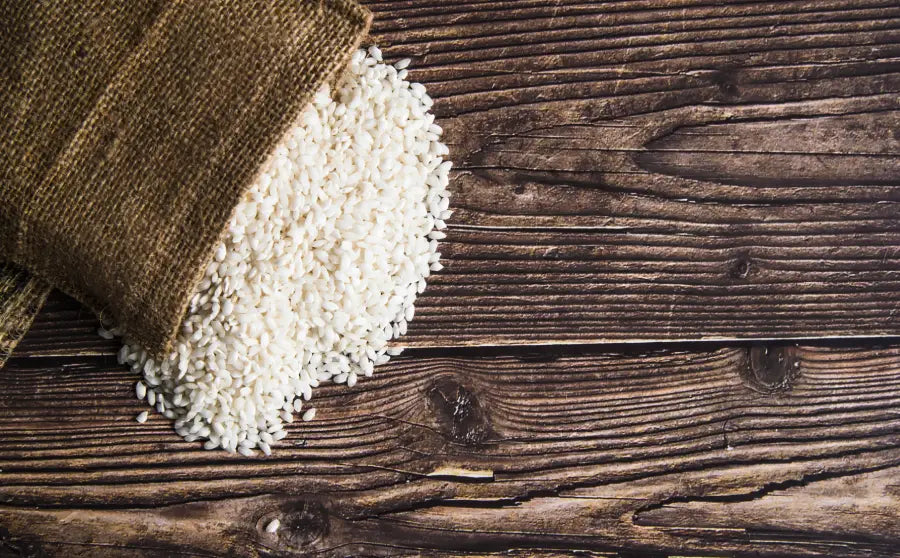
When you buy high-quality organic staples, proper storage becomes essential to maintain freshness, flavor, and nutritional value. Knowing how to store rice long term can help you reduce food waste, protect your pantry from pests, and ensure your grains stay fresh for months or even years.
If you regularly purchase organic pantry staples from SFMart, learning proper storage techniques is especially important. Organic rice and grains are produced without chemical preservatives, which means good storage practices help maintain their natural quality.
At SFMart, you can explore a wide range of organic rice and grain collections that guide you toward healthier food choices and better pantry management. You might want to learn more about organic food, read our blog on ‘what is organic food?’
Why Proper Storage of Rice and Grains Matters
Rice and grains are staple foods in many households. However, if they are stored improperly, they can lose quality or even become contaminated.
Proper long-term storage helps:
- Preserve freshness and flavor
- Prevent moisture damage
- Protect grains from pantry pests
- Extend shelf life
- Maintain nutritional value
This is particularly important for organic rice and grains, as they are minimally processed and free from synthetic preservatives.
Understanding the Shelf Life of Rice and Grains
Before learning how to store rice long term, it’s helpful to understand the typical shelf life of different types of rice.
1. White Rice
White rice can last up to 4–5 years when stored properly in airtight conditions.
2. Brown Rice
Brown rice contains natural oils in its bran layer, which means it usually lasts 6–12 months at room temperature.
3. Black Rice and Whole Grains
Whole grains like black rice and mixed grains typically have a shorter shelf life (6–12 months) because they retain more natural nutrients and oils.
Proper storage can significantly extend these timelines.
Best Containers for Long-Term Rice Storage
The container you use plays a major role in protecting rice and grains from air, moisture, and pests.
Airtight Glass Containers
Glass jars with tight lids are excellent for storing small to medium quantities of rice.
Food-Grade Plastic Containers
Durable pantry containers help keep grains sealed and organized.
Vacuum-Sealed Bags
Vacuum sealing removes oxygen and significantly extends storage life.
Mylar Bags with Oxygen Absorbers
These are often used for very long-term storage, especially for bulk rice.
No matter which option you choose, always ensure containers are completely dry and airtight.
Ideal Storage Conditions for Rice and Grains
To keep rice fresh for a long time, store it in the right environment.
Keep It Cool
Rice stores best at temperatures below 21°C (70°F).
Avoid Moisture
Humidity can cause mold growth or spoilage.
Store in a Dark Place
Direct sunlight can degrade food quality over time.
Maintain Clean Storage Areas
Clean shelves and containers help prevent pantry pests.
A cool, dry pantry or kitchen cabinet is usually the best location.
How Long Does Rice Last in Storage?
The shelf life of rice depends on the type of rice and how it is stored. White rice can last for several years when kept in a cool, dry place in an airtight container because it has a low oil content. Brown rice, on the other hand, has a shorter shelf life of around 6 months due to the natural oils in its bran layer, which can turn rancid over time. Cooked rice should always be refrigerated and consumed within 4 days for food safety. Proper storage conditions play a major role in maintaining the freshness, flavor, and nutritional quality of rice over time.
What Is the Best Way to Store Bulk Rice?
The best way to store bulk rice is in airtight containers placed in a cool, dry, and dark location away from moisture, heat, and direct sunlight. Food-grade buckets, sealed plastic containers, or glass jars work well for long-term storage because they help prevent exposure to air and pests. For even longer shelf life, some people use vacuum-sealed bags or oxygen absorbers to maintain freshness. It is also important to keep the storage area clean and dry, as moisture can lead to mold growth and spoilage. Properly stored bulk rice can remain fresh and safe to use for an extended period.
Storing Bulk Rice
|
Storage Method |
Best For |
Benefits |
Tips |
|
Airtight Plastic Containers |
Everyday home storage |
Protects rice from moisture, air, and insects |
Store in a cool, dry pantry away from sunlight |
|
Glass Jars |
Small to medium quantities |
Keeps rice fresh and allows easy visibility |
Ensure lids are tightly sealed |
|
Food-Grade Buckets |
Large bulk storage |
Ideal for long-term storage and pest prevention |
Use tight-fitting lids and keep off damp floors |
|
Vacuum-Sealed Bags |
Long-term storage |
Extends shelf life by reducing air exposure |
Best used with oxygen absorbers |
|
Mylar Bags with Oxygen Absorbers |
Emergency or extended storage |
Helps preserve freshness for years |
Seal properly and place inside buckets for extra protection |
|
Refrigerator Storage |
Brown rice or humid climates |
Slows down oil spoilage and prevents rancidity |
Keep rice in sealed containers to avoid moisture |
|
Freezer Storage |
Extra-long storage |
Prevents insects and extends freshness |
Allow rice to reach room temperature before opening to avoid condensation |
How to Store Rice Long Term: Step-by-Step Guide
Here is a simple method for storing rice properly at home.
Step 1: Choose Quality Rice
Start with fresh, high-quality organic rice from reliable sources.
Step 2: Use Airtight Containers
Transfer rice from original packaging into sealed containers.
Step 3: Label Your Containers
Write the purchase date so you know when to use it.
Step 4: Store in a Cool, Dry Area
Keep containers away from heat and humidity.
Step 5: Rotate Your Stock
Use older rice first before opening new packages.
Following these steps ensures your rice stays fresh and usable for a long time.
Preventing Pantry Pests in Rice Storage
Rice and grains can sometimes attract pests like weevils or pantry moths. To prevent this:
- Store rice in airtight containers
- Freeze newly purchased rice for 48 hours before storage
- Keep pantry shelves clean
- Avoid mixing new rice with old stock
These small precautions can help keep your pantry pest-free.
Should You Refrigerate or Freeze Rice?
In some cases, refrigeration or freezing can extend shelf life.
Refrigeration
Brown rice can last up to a year in the refrigerator due to its natural oils.
Freezing
Freezing rice is an excellent option for long-term storage and pest prevention.
Just ensure rice is stored in airtight freezer-safe containers.
Signs That Rice Has Gone Bad
Even when stored properly, rice can eventually spoil.
Look out for these signs:
- Unusual or rancid smell
- Presence of insects
- Mold or discoloration
- Sticky or unusual texture after cooking
If you notice any of these issues, it’s best to discard the rice.
Choosing High-Quality Organic Rice
Proper storage starts with choosing high-quality rice. Organic rice is often fresher and produced using natural farming practices that prioritize soil health and sustainability.
Reliable marketplaces like SFMart offer carefully sourced organic rice varieties and grains that are ideal pantry staples.
Their collections include options such as:
These staples can easily be incorporated into everyday meals while supporting healthier eating habits.
Final Thoughts
Knowing how to store rice long term helps protect your pantry staples, reduce food waste, and preserve the quality of your grains. By using airtight containers, maintaining cool storage conditions, and practicing proper stock rotation, you can keep rice fresh for months or even years.
If you’re looking for high-quality organic pantry staples, explore the organic rice and grain collections at SFMart. You can also browse their blog section for more helpful guides on organic food, healthy cooking, and sustainable living. If you wish to learn more about organic vs non-organic foods, read our well-curated blog here.


