
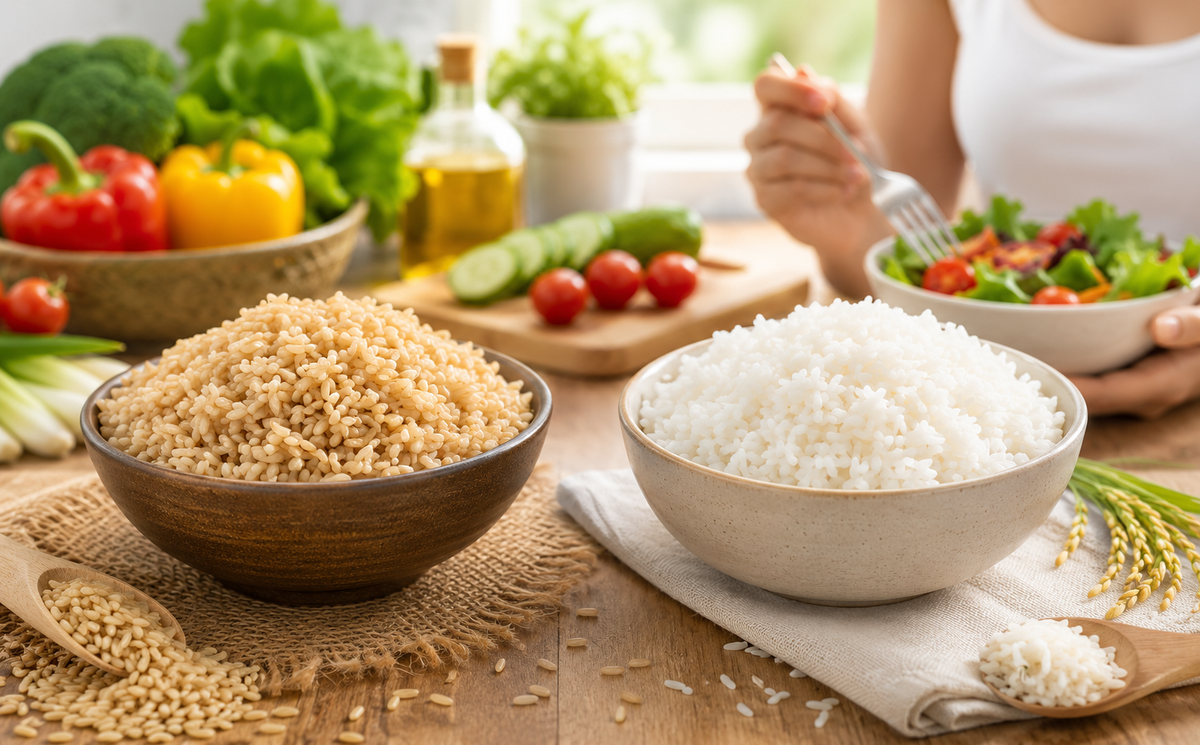
Rice remains one of the most widely consumed staple foods in the United States, but many people still wonder whether brown rice or white rice is the healthier choice. The answer is not as simple as labeling one “good” and the other “bad.” Both varieties offer unique health benefits, and the right choice often depends on your lifestyle, digestion, dietary goals, and overall eating habits.
Today, many households are also becoming more conscious about the quality of pantry staples they buy. This includes choosing organic rice, whole grains, flours, lentils, and beans from reliable sources that support balanced everyday cooking. Retailers like SFMart reflect this growing shift toward healthier pantry choices by offering a wider variety of organic staples that fit into modern wellness-focused diets. From organic rice varieties to organic grains, flours, beans and more, SFMart has got you covered.
This guide explores the health benefits of brown rice and white rice, how they compare nutritionally, and how to choose the best option for your needs.
Understanding the Difference Between Brown Rice and White Rice
The primary difference between brown rice and white rice lies in processing.
Brown Rice
Brown rice is a whole grain that retains:
- The bran layer
- The germ
- The endosperm
Because it keeps these nutrient-rich layers intact, brown rice contains more:
- Fiber
- Vitamins
- Minerals
- Antioxidants
White Rice
White rice goes through additional processing that removes the bran and germ layers. This gives it:
- A softer texture
- Faster cooking time
- Longer shelf life
Many white rice varieties in the U.S. are enriched with nutrients like iron and B vitamins after processing.
Health Benefits of Brown Rice
1. Rich in Fiber for Better Digestion
One of the biggest advantages of brown rice is its high fiber content. Fiber supports:
- Healthy digestion
- Better gut health
- Improved satiety
This can help people feel fuller for longer, which may support weight management and portion control.
2. Supports Heart Health
Brown rice contains magnesium, antioxidants, and fiber that may contribute to better cardiovascular health. Diets rich in whole grains are often associated with:
- Lower cholesterol levels
- Improved blood pressure
- Reduced heart disease risk
This is one reason brown rice is commonly recommended in heart-conscious diets.
3. Helps Maintain Stable Blood Sugar Levels
Brown rice generally has a lower glycemic index compared to white rice, meaning it releases energy more slowly.
This can help:
- Reduce rapid blood sugar spikes
- Improve energy stability
- Support better glucose management
For people focused on balanced energy throughout the day, brown rice is often preferred over refined grains.
4. Contains More Vitamins and Minerals
Because the bran and germ remain intact, brown rice naturally contains:
- Magnesium
- Selenium
- Manganese
- B vitamins
These nutrients support metabolism, immune health, and overall body function.
5. May Help Support Healthy Triglyceride Levels
Many people ask, “Is brown rice good for triglycerides?”
Brown rice may support healthier triglyceride levels because:
- It contains fiber that can improve lipid metabolism
- Whole grains are associated with better heart health markers
- It may reduce reliance on heavily refined carbohydrates
However, overall diet quality still matters most. Brown rice works best when paired with vegetables, legumes, beans, and lean proteins.
Health Benefits of White Rice
1. Easy to Digest
White rice is often easier on the digestive system because the fiber-rich bran layer has been removed.
This makes it suitable for:
- Sensitive stomachs
- Digestive recovery diets
- Athletes needing quick carbohydrates
It is commonly included in bland diets during illness due to its gentle digestibility.
2. Quick Source of Energy
White rice provides fast-digesting carbohydrates that can quickly replenish glycogen stores.
This benefits:
- Active individuals
- Athletes
- People needing rapid energy after workouts
For many households, white rice remains a practical and versatile everyday staple.
3. Longer Shelf Life and Easier Storage
White rice stores longer because natural oils from the bran have been removed.
If stored correctly:
- It can last for years
- It remains stable in bulk storage
- It is easier to manage as a pantry staple
For proper storage methods, many people also refer to guides like how to store rice long term to maintain freshness and avoid moisture damage.
4. Versatile for Different Meals
White rice works well in:
- Asian dishes
- Soups
- Meal prep bowls
- Comfort foods
Its neutral flavor and soft texture make it adaptable across many cuisines.
5. Often Fortified with Nutrients
Many U.S. white rice products are enriched with:
- Iron
- Folate
- B vitamins
This helps compensate for nutrients lost during processing.
Brown Rice vs White Rice Calories Per 100g
One of the most searched comparisons is calorie difference.
|
Rice Type |
Calories Per 100g (Cooked) |
Fiber |
Protein |
|
Brown Rice |
~111 calories |
Higher |
Slightly higher |
|
White Rice |
~130 calories |
Lower |
Slightly lower |
The calorie difference is relatively small. The larger difference lies in fiber, digestion speed, and nutrient density.
Is Organic Rice Good for You?
Consumers today are increasingly interested in organic rice due to concerns around pesticides and food quality.
Organic rice farming avoids synthetic chemicals and focuses on sustainable growing practices. While the nutritional difference between organic and conventional rice may not always be dramatic, many people prefer organic options for:
- Cleaner farming methods
- Reduced chemical exposure
- Environmental sustainability
For a deeper explanation, readers often explore is organic rice good for you? to better understand how organic farming affects food quality and long-term health.
How Rice Fits Into a Balanced Diet
Rice becomes far more nutritious when paired correctly.
Balanced meals often combine rice with:
- Lentils and beans for protein
- Vegetables for fiber and micronutrients
- Whole grains and flours for variety
This broader pantry approach has become increasingly common in U.S. households. Having access to rice alongside organic grains, lentils, beans, and flours allows families to create more balanced meals instead of relying on refined carbohydrates alone.
Advantages and Disadvantages of Brown Rice
|
Advantages of Brown Rice |
Disadvantages of Brown Rice |
|
Higher in fiber |
Longer cooking time |
|
Contains more vitamins and minerals |
Shorter shelf life |
|
Supports stable blood sugar |
Slightly harder to digest for some people |
|
Better for satiety and fullness |
Can contain more natural arsenic due to outer layers |
|
Rich in antioxidants |
More expensive in some markets |
Advantages and Disadvantages of White Rice
|
Advantages of White Rice |
Disadvantages of White Rice |
|
Easier to digest |
Lower fiber content |
|
Faster cooking time |
Less nutrient-dense naturally |
|
Longer shelf life |
Higher glycemic index |
|
Quick source of energy |
Less filling than brown rice |
|
Works well in many recipes |
More processed |


