
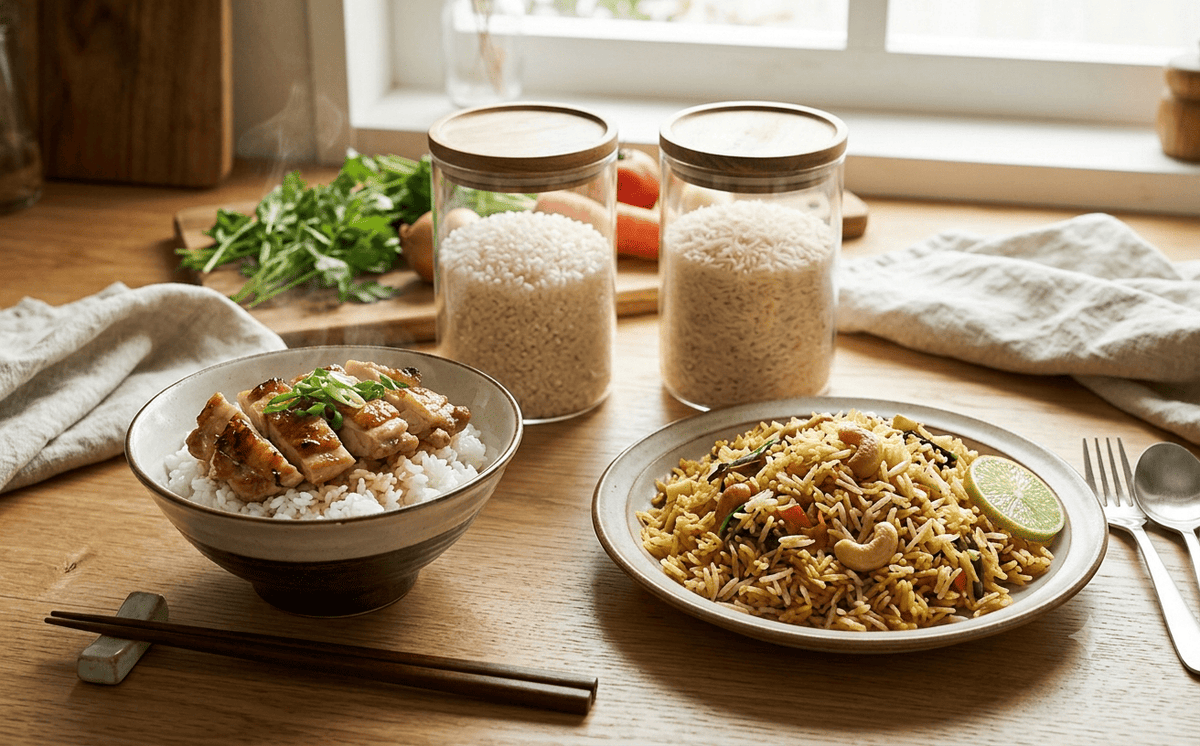
Rice may look simple, but choosing the right type can make a significant difference in the texture, flavor, and success of your meals. One of the most common questions shoppers ask is whether they should buy long grain rice or short grain rice.
The answer depends on what you are cooking. Long grain and short grain rice differ in shape, starch content, texture, and cooking performance. Understanding these differences can help you choose the best rice for everything from everyday dinners to sushi, rice bowls, desserts, and family meals. This guide breaks down the key distinctions and explains which rice works best for different recipes and lifestyles.
Understanding Rice Grain Length
Rice is generally categorized into three groups:
- Long grain rice
- Medium grain rice
- Short grain rice
The classification is based on the shape and length of the grain. Long grain rice is typically three to four times longer than it is wide, while short grain rice is shorter, rounder, and more compact. These physical differences directly affect how rice behaves when cooked.
What Is Long Grain Rice?
Long grain rice has slender kernels that remain separate after cooking.
Popular examples include:
- Basmati rice
- Jasmine rice
- American long grain white rice
When cooked properly, long grain rice becomes:
- Light and fluffy
- Dry rather than sticky
- Easy to separate with a fork
Because the grains stay distinct, long grain rice is commonly used in:
- Rice bowls
- Stir-fries
- Pilafs
- Curries
- Side dishes
What Is Short Grain Rice?
Short grain rice has shorter, wider kernels and contains more starch than long grain varieties.
After cooking, short grain rice becomes:
- Soft
- Moist
- Slightly chewy
- Naturally sticky
The stickiness helps grains cling together, making short grain rice ideal for:
- Sushi
- Rice balls
- Korean rice dishes
- Japanese cuisine
- Rice puddings and desserts
Long Grain vs Short Grain Rice: Key Differences
|
Feature |
Long Grain Rice |
Short Grain Rice |
|
Shape |
Long and slender |
Short and round |
|
Texture |
Light and fluffy |
Soft and sticky |
|
Starch Content |
Lower |
Higher |
|
Grain Separation |
Stays separate |
Clumps together |
|
Best Uses |
Pilaf, curries, stir-fries |
Sushi, rice bowls, desserts |
|
Mouthfeel |
Dry and airy |
Moist and chewy |
The main difference comes from starch composition. Short grain rice contains more amylopectin, which creates its signature sticky texture, while long grain rice contains more amylose, helping grains remain separate.
Which Rice Is Better?
Neither is inherently better. The best choice depends entirely on the dish.
Choose Long Grain Rice If You Want:
- Fluffy rice with separated grains
- Rice for curries and sauces
- Meal prep bowls
- Fried rice
- Traditional pilaf dishes
Long grain rice is popular because it absorbs flavors well without becoming sticky. Many home cooks prefer it for dishes where distinct grains improve texture.
Choose Short Grain Rice If You Want:
- Sticky rice that holds together
- Sushi or poke bowls
- Rice eaten with chopsticks
- Rice puddings
- Traditional Korean or Japanese meals
The higher starch content creates a more cohesive texture that works well in dishes requiring rice to stay together.
Is Sweet Rice the Same as Short Grain Rice?
This is where many consumers get confused.
Sweet rice, sometimes called glutinous rice, is usually a type of short grain rice, but not all short grain rice is sweet rice.
Sweet rice:
- Has an even stickier texture
- Contains very little amylose
- Is commonly used in desserts and specialty recipes
Regular short grain rice is sticky enough for sushi and everyday meals, while sweet rice is often reserved for recipes requiring a particularly chewy texture. Community discussions frequently note this distinction because the terms are sometimes used interchangeably.
What Rice Types Are Most Popular for U.S. Households?
Modern households often keep multiple rice varieties on hand for different recipes.
Common choices include:
Organic White Rice
Organic white rice offers a mild flavor, soft texture, and excellent versatility. It works well in everyday meals and remains one of the most popular rice choices in the United States.
Organic Brown Rice
Brown rice retains the bran layer, providing additional fiber and nutrients while offering a slightly nutty flavor.
Organic Black Rice
Organic Black rice is known for its deep color and antioxidant content, making it popular among health-conscious consumers.
Organic Sweet Rice
Sweet rice provides the sticky texture needed for traditional desserts and specialty dishes.
Organic Sushi Rice
Sushi rice is typically a short grain variety specifically cultivated to provide the texture needed for sushi and rice bowls.
Many consumers today purchase rice alongside other pantry staples such as organic grains, flours, lentils, and beans. Collections like those offered by SFMart bring these staples together, making it easier to maintain a balanced pantry while experimenting with different rice varieties.
Which Rice Is Better for Health?
The grain length itself does not determine health benefits.
Instead, nutritional value depends more on whether the rice is:
- White or brown
- Refined or whole grain
- Organic or conventionally grown
For example:
- Organic brown rice provides more fiber and minerals.
- Organic white rice is easier to digest.
- Organic black rice offers additional antioxidants.
Recent articles from SFMart's blog on organic rice for gut health and weight management with organic rice explain how different rice varieties can fit into digestive health and balanced eating plans.
How to Choose the Right Rice
Use this simple guide:
|
If You're Making... |
Choose... |
|
Stir-fries |
Long grain rice |
|
Pilaf |
Long grain rice |
|
Curry dishes |
Long grain rice |
|
Sushi |
Short grain rice |
|
Rice bowls |
Short grain rice |
|
Rice pudding |
Short grain rice |
|
Mochi and desserts |
Sweet rice |
|
Everyday meals |
White or brown rice |
Final Thoughts
The difference between long grain and short grain rice comes down to texture, starch content, and cooking purpose.
Long grain rice produces fluffy, separated grains that work well in pilafs, curries, and stir-fries. Short grain rice delivers a softer, stickier texture that is ideal for sushi, rice bowls, and comfort foods.
Rather than choosing one over the other, many households benefit from keeping both varieties available. Having multiple options allows you to match the rice to the recipe while creating more variety in everyday meals. Whether you prefer organic white rice, brown rice, black rice, sweet rice, or sushi rice, understanding grain length helps you achieve better cooking results every time.


