
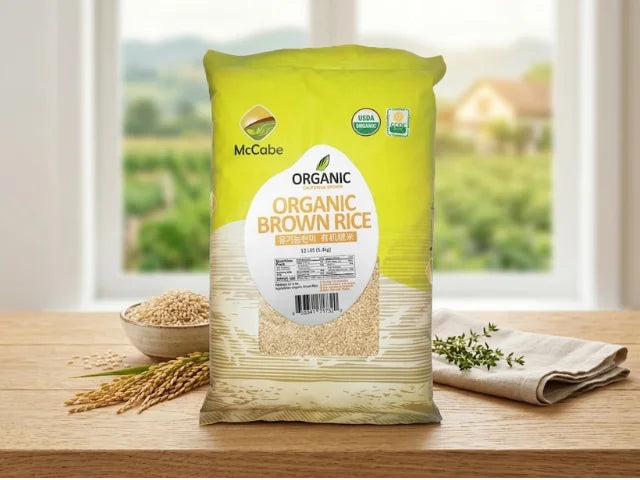
Rice is a staple ingredient in cultures across the globe, with origins tracing back eight thousand years or more. Today, there are over four thousand rice varieties grown worldwide, and one of the most talked-about is organic brown rice. At SFMart, brown rice is consistently one of our most repurchased staples, and for good reason: it's the same grain as white rice, just left in its whole, unprocessed form, which makes a real difference nutritionally.
Brown rice is cooked the same way as white rice, but the key difference is that only the outer hull is removed, leaving the nutrient-rich bran layer intact. This means brown rice retains vitamins, minerals, fiber, and antioxidants that get stripped away during the milling process that produces white rice. Many people assume the two are nutritionally similar since their carbohydrate and calorie counts look close on paper, but that assumption misses most of the story. This guide breaks down the real health benefits of brown rice, its full nutrition profile, and an honest look at the one drawback worth knowing about.
Brown Rice Nutrition Facts
One cup of cooked brown rice contains approximately:
- 216 calories
- 44 grams carbohydrates
- 5 grams fiber
- 8 grams fat
- 5 grams protein
- 12% Thiamin (B1)
- 15% Niacin (B3)
- 14% Pyridoxine (B6)
- 6% Pantothenic acid (B5)
- 5% Iron
- 21% Magnesium
- 16% Phosphorus
- 8% Zinc
- 10% Copper
- 88% Manganese
- 27% Selenium
Brown rice is also a solid source of riboflavin (B2), folate, potassium, and calcium. It's especially notable for its manganese content, a mineral essential for bone development, muscle contraction, metabolism, wound healing, blood sugar regulation, and nerve function. In fact, a single cup of brown rice covers your entire daily manganese requirement. On top of its vitamin and mineral profile, brown rice also brings a meaningful dose of antioxidants, which help reduce oxidative stress in the body. If you're comparing this against other rice varieties in our organic brown rice collection, this nutrition profile holds consistent across bag sizes, from a 3lb bag up to our 12lbs organic rice bulk options.
Brown Rice Benefits
1. Brown Rice Has Tons of Nutrients
While brown rice is a simple, single ingredient, its nutritional profile is anything but. Most people assume it isn't very different from white rice since their carbohydrate and calorie content looks similar on a label, but brown rice pulls ahead in nearly every other nutritional category, as the full breakdown above makes clear. Our organic grain collection has several other whole grains worth comparing side by side, and our roundup of the 11 healthiest whole grains you should be eating is a good place to see how brown rice's nutrient density stacks up.
2. Brown Rice Promotes Weight Loss
Brown rice can genuinely support weight management goals. Because it retains its fiber content, roughly 3.5 grams per cup, it helps you feel fuller for longer, which naturally reduces overall calorie intake. People who swap white rice for brown rice tend to feel hungry less often as a result, and some research links brown rice consumption to reductions in stubborn abdominal fat specifically. Swapping in organic sweet brown rice for dinner a couple of nights a week is an easy way to add variety to this swap without it feeling repetitive.
3. Promotes a Healthy Heart
Brown rice is genuinely one of the better heart-healthy grains available. It's rich in fiber and contains compounds shown to reduce the risk of heart disease. Research consistently links higher fiber intake to a lower risk of heart disease, certain cancers, and respiratory issues. Brown rice also contains lignans, plant compounds associated with a reduced risk of heart disease, alongside a healthy dose of magnesium, a mineral that plays a direct role in cardiovascular health. If heart health is a specific priority, rotating in organic barley alongside brown rice adds beta-glucan, another fiber type with strong research support for supporting healthy cholesterol.
4. Brown Rice Is Beneficial for People with Diabetes
People managing diabetes need to pay close attention to blood sugar levels, which is exactly where brown rice has an edge over white rice. It has a lower glycemic index, meaning it's digested more slowly and has a gentler impact on blood sugar, a quality that makes it a commonly recommended substitute for white rice in diabetes-conscious diets. Some research also links swapping white rice for brown rice with a meaningfully lower risk of developing type 2 diabetes in the first place. Pairing brown rice with organic lentils at a meal adds further fiber and protein, which can help further soften the blood sugar impact of a meal overall.
5. Brown Rice Is a Gluten-Free Option
Brown rice is naturally gluten-free, despite being a grain. This makes it a safe, reliable staple for anyone with celiac disease, gluten intolerance, or a personal preference to avoid gluten, a protein that can trigger uncomfortable symptoms like bloating, nausea, and constipation in sensitive individuals. The rising demand for gluten-free grain staples has made brown rice one of the most dependable options on the shelf, since no processing is required to make it gluten-free, it simply always has been. This holds true across our glutinous rice range generally, including white, black, and sweet rice varieties, all naturally gluten-free by nature of being rice.
What About Arsenic in Brown Rice?
This is a fair, increasingly common question, and it deserves a straightforward answer rather than being glossed over. Because arsenic naturally concentrates in the bran layer of the rice grain, and that bran is exactly what gets removed to make white rice, brown rice does contain somewhat higher levels of inorganic arsenic than white rice. Research bodies including the FDA note that this doesn't mean brown rice needs to be avoided, but that overall arsenic exposure from all dietary sources is worth keeping within safe, moderate levels, particularly for young children who eat more relative to their body weight.
For most adults eating brown rice as part of a varied diet, this isn't a reason for concern. Practical steps like rinsing rice before cooking and varying your grains, rotating in quinoa, barley, or millet alongside rice, can help manage overall exposure without giving up brown rice's real nutritional benefits. We go into this topic in much more depth, including sourcing and preparation tips, in our dedicated guide on does organic rice have arsenic.
Brown Rice vs. White Rice: The Short Version
The core difference comes down to processing. White rice has both the hull and the nutrient-dense bran layer removed, leaving a polished grain that cooks faster and has a longer shelf life, but a much lighter nutritional profile. Brown rice keeps that bran intact, which is where the bulk of its fiber, B vitamins, and minerals live. Neither is inherently "bad," they simply serve different purposes: white rice for a neutral, quick-cooking staple, brown rice for a more nutrient-dense, fiber-rich option worth incorporating regularly.
Final Thoughts
Brown rice earns its reputation as a genuinely more nutrient-dense staple than white rice, offering real benefits for heart health, blood sugar management, weight goals, and gluten-free eating. The arsenic question is worth understanding rather than ignoring, but it isn't a reason to avoid brown rice altogether for most people.
If you're looking to buy organic brown rice online, visit SFMart for our full range of organic brown rice, along with our broader organic rice collection and other premium organic staples to keep your pantry healthy and well-stocked. If you're planning to stock up, our essential guide to buying bulk organic rice covers how to store it properly so it stays fresh for months. And if you're rotating in other whole grains alongside your rice, our piece on why organic oats are worth buying is a good next read.


