
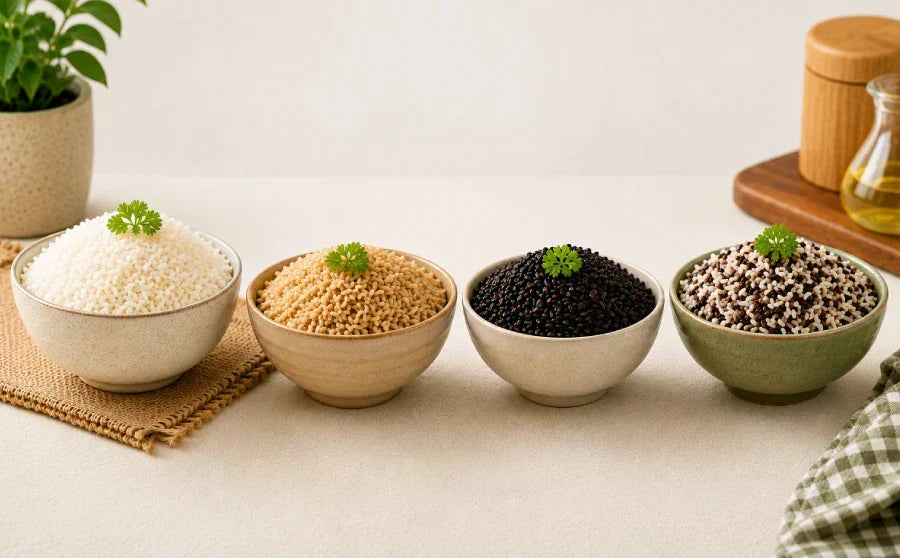
Choosing the “best” rice is not as simple as picking one variety. In the U.S. market, the answer depends on your health goals, digestion, lifestyle, and how you use rice in meals. From brown rice and basmati to wild and white rice, each type offers different benefits.
When it comes to choosing the best rice for consumption, quality starts at the source. Many U.S. households today are not just looking for any rice, but for reliable, clean, and versatile pantry staples that support everyday cooking.
That is where platforms like SFMart come in, offering a curated selection of organic rice varieties alongside essential staples like whole grains, flours, lentils, and beans. Having access to these ingredients in one place makes it easier to build balanced meals, experiment with different rice types, and maintain consistency in a health-focused kitchen.
What Determines the Best Rice?
Before comparing types, it helps to understand what actually matters:
- Nutritional value such as fiber, vitamins, and antioxidants
- Glycemic index (GI) and blood sugar impact
- Digestibility and cooking use
- Processing level (whole grain vs refined)
Whole grain rice varieties tend to offer more nutrients and long-term health benefits, while refined rice is often easier to digest and more versatile.
What Are the Most Common Rice Types in the U.S. Market?
While there are many global varieties, most households in the U.S. regularly use a few core types. When focusing on commonly available organic pantry staples, these include:
- Organic white rice
- Organic brown rice
- Organic black rice
- Sweet rice
- Mixed rice blends
Each of these serves a different purpose in everyday cooking.
Which Rice Is Healthiest?

Organic Brown Rice: Best for Everyday Health
Organic brown rice is one of the most balanced options for daily consumption. It retains its bran and germ, which means:
- Higher fiber content
- Better digestion
- Sustained energy release
It is ideal for people focused on long-term health, weight management, and heart health.
Organic Black Rice: Best for Antioxidants
Black rice stands out due to its deep color and high antioxidant content. It contains anthocyanins, the same compounds found in blueberries, which help:
- Reduce inflammation
- Support heart health
- Provide additional micronutrients
This makes it a strong option for those looking to boost nutrient density in their meals.
Organic White Rice: Best for Simplicity and Digestion
Organic white rice is often underestimated, but it plays an important role in a balanced diet. It is:
- Easy to digest
- Quick to cook
- Ideal for sensitive stomachs
When sourced organically, it also avoids synthetic chemicals used in conventional farming. For a deeper understanding of its benefits, you can explore is organic rice good for you?, which explains how organic farming impacts overall food quality.
Sweet Rice: Best for Texture and Specialty Dishes
Sweet rice, also known as glutinous rice, is valued more for its texture than its nutritional profile. It is:
- Sticky and soft when cooked
- Commonly used in desserts and specialty recipes
- Suitable for comfort-style meals
While it is not typically chosen for health reasons, it adds variety to a well-rounded diet.
Mixed Rice: Best for Balanced Nutrition
Mixed rice blends combine different grains or rice types to create a more complete nutritional profile. These blends often provide:
- A mix of fiber, vitamins, and minerals
- Improved texture and flavor
- Greater dietary variety
They are a practical choice for those who want convenience without sacrificing nutrition.
Organic Rice vs Conventional Rice
The key difference between organic and conventional rice lies in how it is grown. Organic rice avoids synthetic chemicals and focuses on sustainable farming practices.
While the nutritional differences may not always be dramatic, organic rice is often preferred for:
- Cleaner production methods
- Reduced chemical exposure
- Environmental sustainability
If you want a more detailed comparison, it is useful to explore a full guide on organic rice vs conventional rice to understand the broader impact.
Which Rice Should You Choose?
For Everyday Health
Organic brown rice or mixed rice blends are strong choices due to their fiber and nutrient content.
For Easy Digestion
Organic white rice works well, especially for lighter meals or quick energy.
For Nutrient Density
Organic black rice offers added antioxidants and micronutrients.
For Variety and Cooking Flexibility
Including sweet rice and mixed rice helps create more diverse meals without relying on a single staple.
Is Organic Rice Better Than Regular Rice?
Organic rice differs mainly in how it is grown rather than its core nutritional profile.
Organic options:
- Avoid synthetic pesticides and fertilizers
- Support sustainable farming practices
- May reduce exposure to chemical residues
If you want a deeper breakdown, see our guide on is organic rice good for you?, which explores health, safety, and environmental factors in detail.
Many U.S. consumers now prefer combining organic rice with other pantry staples like organic lentils, beans, and whole grains. Platforms like SFMart reflect this shift by offering a full range of organic rice, grains, flours, and legumes that align with clean eating habits.
Should Rice Be Refrigerated After Cooking?
Yes. Cooked rice should always be stored properly to avoid food safety risks.
Best Practices:
- Refrigerate within 1–2 hours of cooking
- Store in airtight containers
- Consume within 3–4 days
Improper storage can lead to bacterial growth, particularly Bacillus cereus.
For a complete guide, refer to how to store rice long term, which also covers bulk storage, shelf life, and pantry management.
How Rice Fits into a Balanced Diet
Rice works best when it is part of a broader meal structure rather than the only focus. Combining it with other pantry staples improves both nutrition and satisfaction.
A balanced meal often includes:
- Rice for energy
- Lentils or beans for protein
- Vegetables for fiber and micronutrients
- Whole grains or flours for variety
This approach reflects how many households now build meals using a mix of organic staples. Access to ingredients like rice, grains, lentils, and flours in one place makes it easier to maintain consistency and variety in everyday cooking.
The Role of Rice in a Balanced U.S. Diet
Rice is often misunderstood as just a carbohydrate source, but it becomes far more valuable when paired correctly.
In many modern U.S. households, rice is combined with:
- Lentils and beans for plant-based protein
- Whole grain flours for diverse meals
- Balanced meal prep routines
This broader approach to pantry planning, often supported by retailers like SFMart offering rice alongside grains, flours, lentils, and beans, helps create nutritionally complete meals rather than relying on rice alone.


